
Top Weatherproof Rubber Seal Materials for Homes

Top Weatherproof Rubber Seal Materials for Homes

For home weatherproofing, common elastomers are EPDM, neoprene (CR), and silicone. EPDM offers strong UV, ozone, and thermal cycling resistance with low expansion—cost-effective for temperate and cold climates. Neoprene balances abrasion and fuel/chemical resistance for garage and utility zones. Silicone excels in extreme temperatures and solar exposure but costs more and expands more. Choose by local climate, exposure, and lifecycle costs; continued guidance covers profile selection, mounting, and maintenance recommendations.

Key Takeaways

  • EPDM: excellent UV, ozone, and heat resistance for windows, doors, and long sashes in temperate to cold climates.
  • Silicone: widest temperature range and flexibility, ideal for extreme climates and prolonged solar exposure despite higher cost.
  • Neoprene (CR): good oil, fuel, and abrasion resistance for garage doors and utility areas with moderate UV exposure.
  • TPE/hybrid compounds: cost-competitive and recyclable alternatives with reduced compression set but variable thermal creep.
  • Choose by climate, chemical exposure, expected lifespan, installation method, and maintenance cadence for best long-term value.

How to Choose a Rubber Seal: Quick Checklist for Doors, Windows, Garages

When selecting a rubber seal for doors, windows, or garage openings, local climate, expected service life, and budget constraints should drive material and profile choices. The checklist prioritizes UVozone, and temperature resistanceabrasion and compression set metrics; and compatibility with paint and substrates common in vintage restoration projects. Specify pet friendly materials where occupants have animals, focusing on non-toxic, chew-resistant compounds and low VOC formulations. Profile selection should balance sealing performance with ease of retrofit installation and minimal modification to existing trim. Consider supplier lead times, recyclable content, and lifecycle cost rather than upfront price alone. Prototype testing in situ verifies simulated data; contractors should document measured leakage reduction and expected maintenance intervals.

EPDM vs Neoprene vs Silicone: Performance and Best Uses for Homes

Although each elastomer offers distinct trade‑offs, EPDM, neoprene (CR), and silicone are the primary choices for residential weatherseals because they balance durability, climate tolerance, and cost. EPDM excels in UV, ozone, and heat resistance, making it cost‑effective for temperate to cold regions; its low thermal expansion and predictable compression set suit long runs and sash applications. Neoprene provides superior oil, fuel, and moderate chemical resistance with good mechanical strength; attention to adhesion properties is important where coatings or primers are used. Silicone offers unmatched temperature range and flexibility, ideal for innovative façades and extreme climates, though higher material cost and greater thermal expansion demand allowance in design. Selection should weigh local climate, service chemicals, lifecycle cost, and installation details.

Best Weatherproof Rubber Seals for Doors, Windows, and Garage Openings

For exterior doors, windows, and garage openings, the best weatherproof rubber seals are selected by matching elastomer propertiesprofile geometry, and mounting method to local climate, expected service life, and budget constraints. Choice emphasizes durability, ease of retrofit, and measurable performance in draft, water ingress, and vibration control. A concise weatherstrip comparison guides selection between bulb seals, compression strips, and vinyl-co-extruded options; foam inserts remain useful where low cost and rapid installation outweigh longevity. Consideration of mounting (adhesive, screw-on, channel) and replaceability reduces life-cycle cost. Innovative compound blends and hybrid profiles enable better sealing with reduced compression set. Local suppliers and installers can tailor cut lengths and pre-formed corners to minimize waste and installation labor.

For exterior openings, match elastomer, profile, and mounting to climate and budget for durable, serviceable weather sealing.

  1. Prioritize performance metrics
  2. Match profile to gap geometry
  3. Optimize mounting for maintenance

How Each Material Handles Temperature, Sun, and Chemicals

Having selected profiles and mounting methods to suit gaps and maintenance needs, performance under environmental stressors becomes the next determining factor. Each elastomer exhibits distinct thermal expansion properties; EPDM remains stable across seasonal swings, minimizing compression set and joint drift in temperate urban districts. Silicone tolerates extreme heat and UV, offering long-term solar resilience but at higher material cost. Neoprene balances abrasion and moderate UV exposure with acceptable chemical resistance to common household cleaners, useful near garages and utility rooms. TPE blends deliver competitive pricing and recyclable potential, though some grades show greater thermal creep. For local contractors and innovators, specifying grades with documented thermal expansion coefficients and published chemical resistance charts reduces retrofit risk and lifecycle expense while supporting sustainable procurement decisions.

Installation Tips and Common DIY Mistakes (With Quick Fixes)

Proper surface preparation is essential for long-lasting seals: substrates should be cleaned of dirt, oil, and old adhesive, and rough or corroded areas lightly abraded before setting rubber profiles. Common installation mistakes—incorrect adhesive selection, insufficient compression, and uneven alignment—reduce seal performance and shorten service life. Simple, low-cost fixes include using the manufacturer-recommended primer, re-positioning before adhesive sets, and adding shims to make certain consistent compression.

Proper Surface Preparation

When preparing a substrate for rubber seal installation, attention to surface condition directly determines seal performance and service life. A precise protocol minimizes callbacks and material waste: remove contaminants with approved cleaning solvents, dry thoroughly, and evaluate substrate porosity before selecting an adhesion promoter. Local climate influences drying times and primer choice; economically, use modular kits sized to project scale.

  1. Inspect: identify corrosion, old sealant residues, and surface irregularities; record repair needs and local sourcing options.
  2. Clean: employ low-VOC cleaning solvents, abrasive pads where needed, then blow out particulates and confirm solvent evaporation.
  3. Prime/Level: apply adhesion promoters compatible with chosen rubber, fill minor defects with cost-effective, durable fillers, then recheck flatness.

Common Installation Mistakes

Installers frequently underestimate small procedural errors that degrade rubber-seal performance and drive up lifecycle costs; common mistakes include inadequate adhesion testingimproper compression set allowance, and neglecting local climate effects on curing and primer selection. Technicians often misjudge seal alignment, creating gaps or uneven compression that accelerate wear and allow water ingress; simple jigs and measured spacers reduce rework and maintain uniform contact pressure. Incorrect adhesive choice or bond method leads to premature failure—field test substrates and match adhesive chemistries to expected thermal cycles and UV exposure. DIYers skip substrate cleaning and fail to allow full cure time; short-term fixes should include surface re-prep, correct primer, and re-bonding with specified adhesives. Cost-effective routines and local climate-informed protocols extend seal life.

Cost, Lifespan, and Maintenance: Getting the Best Value

In evaluating weatherproof rubber seals for a local project, budget managers should weigh upfront material and labor costs against expected service life and predictable maintenance intervals. A concise cost comparison, projected lifespan by compound (EPDM, silicone, neoprene), and a clear maintenance schedule drive value assessments. Lifecycle modeling informs replacement timing and innovation-driven choices like coated blends or modular seals that reduce long-term labor.

Weigh upfront costs, expected lifespan by compound, and clear maintenance schedules to minimize total ownership of weatherproof seals

  1. Quantify: initial purchase + installation, estimated years to failure, annualized cost-per-year.
  2. Maintain: established inspection cadence, simple cleaning, targeted resealing, documented maintenance schedule.
  3. Optimize: select higher-performance materials where reduced downtime and lower labor frequency justify premium.

Decisions favor materials minimizing total cost of ownership while enabling local contractors to implement efficient, forward-looking maintenance.

Frequently Asked Questions

Can Rubber Seals Prevent Pest Entry Like Insects and Rodents?

Yes; rubber seals can reduce pest entry by sealing gaps and functioning as rodent barriers. Locally sourced, cost-conscious profiles (EPDM, silicone) offer durable compression sealing, technical installation reduces ingress while enabling innovative retrofit and maintenance strategies.

Are Any Rubber Seals Recyclable or Environmentally Friendly?

Yes. The evaluator notes recycled EPDM and biobased silicone options exist; recycled EPDM reduces landfill impact and cost, while biobased silicone lowers fossil dependence despite higher upfront price—both recyclable or compostable depending on local processing.

Can Weatherproof Seals Be Painted to Match Trim?

Yes: many seals accept paint if tested first; silicone resists most paints. Evaluate paint compatibility and primer need, plan color matching locally, and weigh material, labor, and maintenance costs for an innovative, budget-conscious finish.

Do Rubber Seals Affect Indoor Air Quality or Off-Gas VOCS?

Yes, rubber seals can off‑gas; they may produce VOC emissions that influence indoor air quality. The person evaluates material selection, prioritizes low‑VOC compounds, improved indoor ventilation, and cost‑effective long‑term performance for innovative local projects.

Are There Warranty Differences Between DIY and Professional Installation?

Yes. The installer notes DIY often voids labor warranty; professional work usually includes labor warranty tied to labor standards, providing local compliance, documented procedures, and cost-conscious risk mitigation preferred by innovation-minded owners.

Conclusion

Selecting weatherproof rubber seals requires balancing local climate, exposure, and budget to maximize service life and minimize replacements. EPDM suits cold, UV‑exposed exteriors; neoprene resists oils and moderate heat; silicone excels at extreme temperatures and longevity. Prioritize correct profile, proper surface prep, and durable adhesives to avoid common DIY failures. Cost per year, ease of maintenance, and straightforward installation determine best value for doors, windows, and garage openings.

RK Rubber Enterprise Co. — a leading rubber supplier and manufacturer in the Philippines — produces cost‑efficient, high‑quality rubber products and provides expert support and installation services to help you choose the right material and profile for your application. Their ongoing improvements in manufacturing and commitment to customer guidance make them a reliable partner for sourcing and installing weatherproof seals for homes and commercial projects.
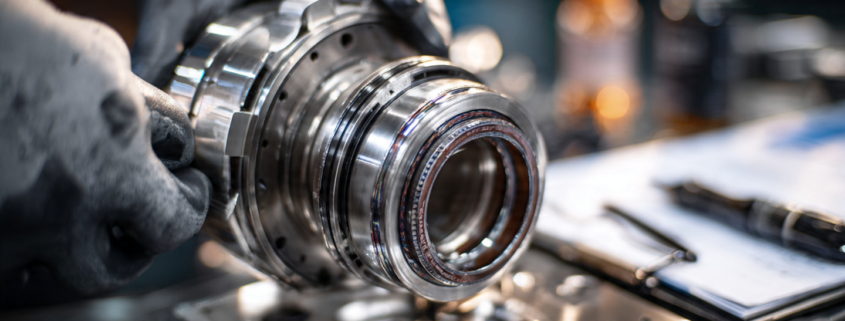
7 Best Installation and Maintenance Practices for Seals

7 Best Installation and Maintenance Practices for Seals

Choose seals by pressure, speed, temperature and fluid to match materials and expected life. Inspect components and seals for nicks, dimensions and contamination before assembly. Handle and store seals cleanly, in original packaging and FIFO rotation. Use mandrels, torque‑limited tools and stepwise tightening for O‑rings, lip seals and mechanical seals. Apply compatible thin lubrication and controlled start‑up ramps. Monitor with simple checks and thresholds and document repairs. Continue for practical, cost‑aware procedures and decision tools.

Key Takeaways

  • Select seals by matching operating pressure, shaft speed, temperature range, and fluid chemistry to ensure material and design compatibility.
  • Inspect and verify seal dimensions, cleanliness, and packaging dates before installation, recording findings on a simple checklist.
  • Use proper handling, lubrication, and installation tools (mandrels, sleeves, torque-limited wrenches) to seat seals without twisting or nicking.
  • Follow staged startup: controlled speed/pressure ramp, temperature hold, and low-pressure leak check before full operation.
  • Implement routine condition checks (visual, torque, borescope) and log failures, MTBF, and repair costs for continuous improvement.

Choose Seals by Pressure, Speed, Temperature, and Fluid

When selecting seals, technicians should prioritize the operating pressureshaft speedtemperature range, and the specific fluid in service, since these four variables determine material compatibility, seal type, and expected service life; matching elastomer and metal components to the actual duty conditions prevents premature failure and reduces replacement and downtime costs. A pragmatic team assesses pressure ratings against local system peaks, evaluates shaft speed for dynamic sealing needs, and calculates thermal expansion impacts on clearances and preload. Fluid chemistry drives elastomer choice and corrosion resistance for metal parts. Cost-conscious choices favor standardized, modular seals that simplify stocking and enable quick swaps. Innovative shops pilot new polymers or coatings where savings and longevity data justify adoption, always documenting local performance for continuous improvement.

Inspect Components and Seals Before Installation

Before assemblies are brought to the workbench, technicians should inspect shafts, housings, and seals to prevent installation of damaged or mismatched parts that shorten service life. A focused visual inspection identifies nicks, corrosion, contamination, and wear patterns that predict premature failure. Complement this with dimensional verification using calipers and gauges to confirm tolerances against local specifications and supplier data. Record findings on simple checklists to support cost-conscious decisions: repair, rework, or replace. Emphasize sources for replacement parts within the region to reduce lead time and expense. Encourage small experiments with improved inspection jigs or portable measuring tools to boost accuracy and repeatability. Clear acceptance criteria and documented results enable innovative, locally tailored reliability gains without unnecessary complexity.

Handle, Store, and Prepare Seals Correctly

Personnel should handle seals with clean hands and dedicated tools to prevent contamination that can shorten service life. Seals must be stored in their original packaging, kept flat or in the manufacturer-recommended orientation, and protected from sunlight, heat, and moisture to avoid distortion or degradation. A quick pre-installation inspection for cuts, nicks, or compression set guarantees only serviceable seals are fitted, reducing rework and downtime.

Clean Hands And Tools

Handling seals with clean hands and tools reduces contamination risks and extends service life. Practitioners should adopt gloved handling and routinely inspect gloves for cuts or oil residues before touch. Tools must be wiped, degreased, and when necessary, disinfected — sterilized instruments are recommended for sensitive applications. A local shop can implement simple checklists and low-cost cleaning stations to keep practices consistent without heavy investment. Innovative teams favor modular trays and labeled tool sets to limit cross-contamination and speed preparation. Recordkeeping of cleaning cycles supports traceability and highlights opportunities for efficiency gains. Training focuses on technique, not jargon, encouraging rapid adoption across crews. Emphasis remains on practical, affordable steps that preserve seal integrity and reduce downtime.

Correct Storage Orientation

Correct storage orientation keeps seals free from deformation, contamination, and premature wear by ensuring they rest in positions that preserve their intended shape and sealing surfaces. The guidance advocates simple, low-cost practices suitable for small workshops and field teams: prefer flat stacking for soft seals and vertical storage for rigid rings, keep temperature-controlled areas, and maintain clear label orientation so parts are rotated and used first-in, first-out. Practical handling reduces waste and supports local supply resilience while enabling incremental innovation in storage methods.

  • Store flexible seals flat with minimal load to prevent compression set and distortion.
  • Use vertical storage racks for hard seals to save floor space and prevent edge damage.
  • Align label orientation outward for quick identification and inventory control.

Pre-Installation Inspection

Before installation, a brief but thorough inspection guarantees seals will perform as intended and avoids costly rework. Inspectors check for nicksdeformationcontamination, and correct part numbers, using simple gauges and low-cost magnification to preserve budgets. Surface finish of mating parts is verified against specifications to prevent premature wear; any deviation prompts local rework or selection of alternative seal profiles. Material compatibility is confirmed by cross-referencing chemical exposure, temperature, and lubricant data, avoiding reactive pairings that shorten life. Packaging and labels are examined for storage dates and orientation markers. Measurements of critical dimensions are sampled rather than exhaustive, balancing precision with throughput. Clear pass/fail criteria and documented acceptance streamline field decisions and encourage incremental innovation in processes.

Install Common Seal Types : Step‑by‑Step (Tools & Checkpoints)

Installers should follow a concise, repeatable sequence when fitting common seal types—o‑rings, lip seals, mechanical seals, and gasketed flanges—using basic hand tools and minimal specialized equipment to keep costs low and simplify local maintenance. The process emphasizes material compatibilitycontrolled installation torqueclean contact surfaces, and simple checkpoints to verify fit and alignment. Practical innovations—jigs from local materials or measured torque-limited wrenches—reduce errors and spare parts waste.

Follow a repeatable, low-cost sequence for sealing—clean surfaces, compatible materials, controlled torque, simple checks, and practical jigs.

  • O-rings: inspect, lightly lubricate, stretch evenly, seat without twisting; check cross-section and hardness.
  • Lip seals: use mandrel or sleeve to guide, confirm shaft runout, set correct compression and installation torque.
  • Mechanical seals/gaskets: assemble dry-run, align faces, tighten progressively in star pattern, verify leak-free at low pressure.

Seal Lubrication and Start‑Up Checks to Avoid Early Failure

When preparing seals for service, prioritize minimal, compatible lubrication and a brief, measurable start-up checklist to prevent early degradation and leaks. Technicians should select lubricants based on lubricant compatibility with seal materials and process fluids, favoring thin films that reduce friction without swelling elastomers. Local supply options and cost-effective alternatives are considered, with validation testing on representative samples. Start up sequencing is documented: controlled speed ramp, pressure stabilization, and temperature hold points to guarantee mating faces seat correctly. Basic, instrumented checks—torque, leak sensors, and visual run-in—are recorded against pass/fail limits. This practical, cost-conscious approach supports incremental innovation: small trials, data capture, and rapid adjustments that extend seal life and minimize unplanned downtime.

Inspection Checklist and Condition‑Based Maintenance Triggers

Starting from routine walkdowns and brief borescope checks, the inspection checklist concentrates on a small set of high-value observations—seal face condition, gland compressionshaft runout, lubrication film, and evidence of leakage—each tied to a simple, instrumented measurement or pass/fail criterion that local technicians can perform with common tools. The checklist prioritizes quick, repeatable checks and documents thresholds that trigger condition-based responses. Simple data feeds (temperature, flow, basic vibration) are logged locally; predictive algorithms run centrally or at the edge to flag deviations. Vibration thresholds are kept conservative to limit false alerts. Cost-conscious teams combine manual checks with low-cost sensors and clear escalation rules so interventions are timely, minimally disruptive, and aligned with continuous improvement objectives.

  • Visual face scoring and leakage pass/fail
  • Gland torque and runout check values
  • Lubrication film thickness or wipe test

Repair vs. Replace: Decision Criteria and Documenting Seal Changes

Assess repair versus replacement using a short checklist that balances remaining lifedowntime cost, and local resource capability. The decision uses concise cost analysis and downtime planning to compare field repairs, refurbished parts, and new seals. Evaluate observable failure modes, safety impact, and likelihood of repeat events; prioritize fixes that address root cause rather than symptoms. Document each change: part ID, condition, repair steps, testing results, and approvals to enable trend analysis and supply-chain optimization. Favor local sourcing and modular designs that reduce lead times and allow iterative improvements. Track metrics—repair cost, mean time to failure, and downtime hours—to justify choices and support innovative alternatives such as upgraded materials or seal redesigns when lifecycle economics and reliability show net benefit.

Frequently Asked Questions

Can Seal Material Compatibility Affect Nearby Painted or Coated Surfaces?

Yes; they can. He notes seal material compatibility influences chemical interactions that may cause surface staining or coating degradation. Practical, cost-conscious selection and local testing foster innovative, low-risk solutions preserving nearby painted or coated surfaces.

How Do Electrical Grounding and Bonding Impact Seal Longevity?

Proper grounding and bonding reduce electrical interference and stray currents, extending seal life by minimizing electrochemical attack; this cost-conscious, locally focused approach aids corrosion prevention, supports innovative materials, and simplifies long-term maintenance strategies.

Can Seal Selection Influence Noise or Vibration Levels?

Yes. The responder notes seal selection affects acoustic damping and vibration; choosing seals that aid dynamic balancing reduces noise, lowers maintenance costs, and supports local innovation through practical, cost-conscious choices emphasizing measurable performance and retrofit adaptability.

What Environmental Regulations Affect Seal Disposal or Recycling?

Regulatory regimes require proper waste classification, restrict hazardous-material disposal, and often mandate reporting; recycling incentives and local landfill ordinances shape costs. Practical, cost-conscious firms pursue compliant recycling streams and innovative recovery to reduce liabilities.

Are There Preferred Seal Suppliers for High-Volume Emergency Spares?

Yes; procurement favors preferred vendors with proven reliability, prioritizing local stocking hubs to minimize downtime. The team evaluates cost, lead times, and innovative materials, balancing price-conscious sourcing with rapid access for high-volume emergency spares.

Conclusion

Selecting, installing, and maintaining seals with attention to pressure, speed, temperature, and fluid conserves equipment and budget. Routine inspection, correct handling, and proper lubrication at start‑up reduce downtime and extend service life. Use stepwise installationlocal sourcing of tools and parts, and clear condition‑based triggers to decide repair versus replacement. Document every change to support cost‑effective, predictable maintenance and guarantee seals perform reliably in the specific operating and environmental conditions of the facility.

This article was created by RK Rubber Enterprise Co., a leading rubber supplier and manufacturer in the Philippines. RK Rubber not only provides cost‑efficient, high‑quality rubber products but also offers expert support and installation services, helping clients apply these best practices and adapt to critical changes throughout a project’s lifecycle.

Top 7 Rubber Seal Designs for Extreme Heat Applications

Top 7 Rubber Seal Designs for Extreme Heat Applications

Engineers select seals by matching temperature, motion and chemistry to designs that retain load and resist creep. Top choices include Viton O‑rings for up to ~200–250°C service, hollow high‑temp silicone profiles for compliant thermal expansion, corrugated bellows and expansion joints for axial and angular movement, metal‑reinforced composite rings for cyclic stability, PTFE‑encapsulated seals for chemical/heat barriers, and graphite/carbon gaskets for ultra‑high static joints. Each option requires validated thermal‑mechanical analysis and installation controls to guarantee life; further guidance explains tradeoffs and validation.

Key Takeaways

  • Select high‑temperature fluoroelastomers (Viton grades) and quantify lifetime versus continuous temperature and duty cycle.
  • Use hollow silicone or bellows profiles for controlled compressibility and thermal expansion accommodation above 200°C.
  • Specify metal‑reinforced or PTFE‑encapsulated seals where dimensional stability and chemical resistance are critical.
  • For dynamic seals, prioritize shaft finish, lubrication strategy, and materials with low compression set and wear resistance.
  • Validate designs with thermal‑mechanical FEA and high‑temperature cyclic testing, plus installation torque and clamping controls.

How to Select High‑Temperature Rubber Seals (Temperature, Motion, Chemicals)

When selecting rubber seals for high‑temperature applications, engineers must prioritize a clear assessment of service conditions—maximum and cyclic temperatures, relative motion (static, reciprocating, rotary), and chemical exposures—because each parameter directly constrains material choice, design tolerance, and expected lifetime. The evaluator then maps those inputs to candidate elastomers and composite constructions, weighing thermal cycling resilience against compression set and aging. For dynamic systems, attention centers on dynamic friction, shaft finish, lubrication strategies, and wear allowances; for static seals, long‑term deformation and chemical swell dominate. Local operating environments—ambient particulates, maintenance cadence, and replacement logistics—influence sealing geometry, tolerance stack, and monitoring requirements. The recommended approach couples accelerated testing with field validation to shorten development cycles and reduce lifecycle cost while enabling innovative materials adoption.

Viton Fluoroelastomer O‑Rings : High‑Temperature Rubber Seals

Viton fluoroelastomer O‑rings are presented as a preferred high‑temperature sealing option when service temperatures approach their upper limits (typically −20°C to +200°C continuous, with short excursions higher), requiring explicit confirmation against the application’s thermal envelope. A concise chemical compatibility chart is essential to compare permeation, swelling and degradation for fuels, acids, bases and common solvents encountered locally in the end‑use environment. Performance metrics should prioritize compression set retention over time and temperature, with quantified limits used to specify acceptable seal life and maintenance intervals.

Temperature Resistance Limits

In applications exposed to sustained high temperatures, Viton fluoroelastomer O‑rings offer a predictable combination of thermal stability and chemical resistance, with practical continuous-service limits typically around 200–250°C and short‑term excursions up to 300°C depending on grade and compound formulation. Performance planning must account for thermal aging and viscoelastic behavior that gradually reduce sealing force and compression set. Local operating profiles—duty cycle, surface finish, and pressure—dictate allowable margins. Design teams favor specified grades and post-cure schedules to extend life and maintain elasticity under heat flux.

  1. Quantify expected lifetime vs. continuous temperature and duty cycle.
  2. Specify post-cure and hardening protocols to manage viscoelastic drift.
  3. Validate seals in situ with thermal ramp and hold tests.

Chemical Compatibility Chart

How compatible is a particular fluid with a given fluoroelastomer grade under elevated temperatures and pressure? A compact chemical compatibility chart quantifies interactions between Viton fluoroelastomer O‑rings and candidate fluids, emphasizing diffusion ratesswelling, and degradation kinetics at application‑relevant temperatures. The chart integrates data on crosslinking effects that shift modulus and permeability, and highlights conditions where plasticizer loss accelerates embrittlement. Entries are localized to service environments, listing compatible hydraulic oils, fuels, acids, and solvents with recommended safety margins and exposure times. Designers use the chart to select grades and surface finishes that maximize seal life while enabling innovative system miniaturization. Empirical notes flag uncertain pairings and mitigation strategies, such as barrier coatings or periodic replacement schedules.

Compression Set Performance

Evaluate compression set as the principal metric for sealing performance retention in high‑temperature fluoroelastomer O‑rings, since it directly quantifies permanent deformation after prolonged compressive strain and elevated thermal exposure. Engineers prioritize low compression set to guarantee dimensional recovery after service cycles and long term aging in harsh environments. Data-driven selection emphasizes formulations and cure systems that resist molecular chain scission and preserve elastomeric resilience under prolonged heat.

  1. Quantify residual strain after specified long term aging protocols to predict field life.
  2. Correlate dynamic compression test results with expected sealing leakage and maintenance intervals.
  3. Specify acceptable compression set limits by application temperature, pressure, and safety margins.

This technical, locally-aware approach supports innovative material choices and rigorous qualification for extreme-heat seals.

Hollow High‑Temp Silicone Profiles : Allow Thermal Expansion

Among high‑temperature sealing strategies, hollow silicone profiles stand out for accommodating differential thermal expansion without compromising seal integrity. Engineers specify hollow stem expansion geometries and silicone bellows sections to create controlled compressibility and axial compliance in service. These profiles reduce stress concentrations at mating flanges, enable predictable deflection under cyclic heat loads, and maintain contact pressure across variable gaps typical of locally heated assemblies. Material formulations focus on high‑temperature silicone compounds with low compression set and retained elasticity above 200°C; cross‑section design tailors wall thickness, cell count, and reinforcement to balance blow‑out resistance with flexibility. In retrofit and new‑build contexts, hollow profiles simplify assembly, reduce maintenance intervals, and support innovative thermal management strategies where dimensional growth must be absorbed without metallurgical intervention.

Metal‑Reinforced Composite Seals : Extreme Thermal Cycling

In applications subjected to severe thermal cycling, metal-reinforced composite seals combine the dimensional stability and heat resistance of metal with the conformability and leak-tightness of elastomeric or woven facings to deliver durable sealing performance. The design centers on a metal corelayup that controls thermal expansion, supports compressive loads, and interfaces with fatigue insulation layers to retard crack initiation. Typical engineering priorities include cyclic life, assembly tolerance, and reparability.

  1. Tailored metal corelayup geometries optimize stiffness gradients and reduce stress concentration at transition zones.
  2. Fatigue insulation materials and local bonding schemes minimize thermal-mechanical degradation during repeated cycles.
  3. Modular facing options enable rapid iteration for specific media, temperature ranges, and installation constraints.

Such seals suit applications where repeatable sealing across wide temperature swings is critical.

PTFE‑Encapsulated Seals : Heat and Chemical Resistance

With a chemically inert PTFE jacket bonded or mechanically retained over a structural corePTFE‑encapsulated seals deliver a balance of high‑temperature resilience and broad chemical compatibility while preserving compressive load support and low friction at the mating surface. Engineered PTFE liners provide the primary fluid barrier, resisting aggressive media and oxidation where elastomeric substrates alone would fail. The core—metal, fabric, or engineered rubber—maintains spring force, dimensional stability, and thermal cycling tolerance relevant to local installation constraints. Encapsulated diaphragms extend this concept to dynamic and small‑bore assemblies, enabling low breakaway torque and extended service life in plant‑level heat exchange and chemical processing. Design emphasis favors minimal creep, controlled gland compression, and manufacturing repeatability to reduce downtime and enable innovative seal integration in high‑heat operational environments.

Graphite / Carbon Rubber Seals : Very High‑Temperature Static Joints

For very high‑temperature static joints, graphite and carbon‑reinforced rubber seals combine the thermal stability and low creep of flexible graphite with the resilience and sealing adaptability of engineered elastomers to provide reliable, long‑duration containment where conventional elastomers fail. This hybrid approach targets flange facesheat exchangers, and furnace doors in industrial plants where localized hot spots and chemical exposure demand durable, conformable seals. Graphite washers and carbon gaskets are specified to balance compressibility, oxidative resistance, and surface conformity while maintaining seal integrity over thermal cycles. Selection prioritizes material grade, bond quality, and installation torque to prevent blowout and extrusion.

  1. Use graphite washers at high‑temperature flange interfaces for conformal seating.
  2. Employ carbon gaskets for chemical and heat robustness.
  3. Verify bonded rubber compatibility and clamping specifications.

Bellows & Expansion‑Joint Seals : Accommodate Thermal Movement

Bellows and expansion‑joint seals use flexible corrugated profiles to absorb axial, lateral, and angular thermal movement while maintaining sealing integrity at elevated temperatures. Proper end‑fixing and anchoring are critical to control load transfer, prevent overextension, and localize stresses at attachment points. Design choices in corrugation geometry and anchoring detail directly affect service life, leak risk, and maintenance intervals in high‑heat installations.

Flexible Corrugated Profiles

In high‑temperature assemblies where differential expansion is unavoidable, flexible corrugated profiles provide controlled axial, lateral, and angular compliance while maintaining a gas‑ and fluid‑tight barrier. Engineered from high‑temperature elastomers or composite laminates, they deliver predictable stiffness, extended cycle life, and profile damping to minimize transmitted vibration. Design choices—corrugation pitch, wall thickness, and compound selection—tailor performance for local thermal gradients and installation geometry. Typical applications include furnace doors, exhaust transitions, and turbine housings where service temperatures and movement are concurrent.

  1. Optimize corrugation geometry to balance axial stroke and burst margin.
  2. Select compounds emphasizing heat resistance, compression set, and profile damping.
  3. Validate via finite‑element analysis and high‑temperature cyclic testing to ensure longevity and leak integrity.

End‑Fixing And Anchoring

Flexible corrugated profiles that accommodate axial, lateral, and angular movement must be secured at their terminations to reliably control load paths and seal integrity under thermal cycling. End‑fixing and anchoring strategies prioritize thermal anchoring to direct expansion forces into engineered supports rather than seal material. Rigid end rings, welded collars, and controlled preloads concentrate movement within the corrugations while minimizing stress concentrations at interfaces. Flange bolting patterns and torque specifications are optimized for differential heating, using high‑temperature fasteners and anti‑creep treatments to preserve clamp load. Localized insulation, heat sinks, or sacrificial spacers tailor thermal gradients adjacent to terminations. Design validation combines finite element thermal‑mechanical analysis with lab cycling to quantify fatigue life. The result is predictable behavior, simplified maintenance, and extended service life in extreme‑heat installations.

Frequently Asked Questions

How Do Seal Installation Techniques Differ for High‑Temperature Assemblies?

Installers specify spring loading and tighter tolerances: preheat, controlled compression, and thermally stable adhesives. Surface finish demands polished mating faces and micro-geometry control. Local materials sourcing and innovation-focused validation maximize longevity in high-temperature assemblies.

Daily visuals are advised; ultrasonic checks weekly to monthly depending on load and environment. Quarterly thorough inspections with condition-based adjustments are recommended for continuous 400°C service, optimizing reliability, minimizing downtime, and enabling innovative local maintenance strategies.

Can High‑Temperature Seals Be Repaired in the Field or Must They Be Replaced?

Field repairs are limited; high‑temperature seals generally require replacement, though emergency patches can provide short‑term containment. The recommendation emphasizes planned replacements, documented procedures, and locally sourced materials enabling rapid, innovative, safe response.

How Does Thermal Aging Affect Long‑Term Seal Storage and Shelf Life?

Thermal aging shortens seal shelf life by promoting polymeric crosslinking and oxidative embrittlement, degrading elasticity and sealing performance; proactive inventory rotation, antioxidant stabilization, and controlled, locally tailored storage conditions preserve long‑term value and innovation readiness.

Are There Specific Compatibility Tests for Seals Near Electrical Components?

Yes. He recommends specific compatibility tests for seals near electrical components: dielectric testing for insulation performance, electrical arcing resistance assessments, contamination and surface tracking evaluations, and accelerated aging under voltage to guarantee long-term, innovative, locally compliant reliability.

Conclusion

Selecting the right high‑temperature rubber seal hinges on matching material properties to local service conditions — peak temperature, dynamic or static motion, chemical exposure, and expected thermal cycling. Viton and PTFE‑encapsulated seals suit aggressive chemistries; hollow silicone and bellows manage expansion; metal‑reinforced and graphite composites resist extreme cycling and static hot joints. Engineers should prioritize proven material data, regional supply chains, and installation practices to maximize seal life and minimize downtime.

This article was prepared by RK Rubber Enterprise Co. — a leading rubber supplier and manufacturer in the Philippines that delivers cost‑efficient, high‑quality rubber products and offers expert support and installation services. RK Rubber combines manufacturing improvements, industry knowledge, and flexible project guidance to help engineers select, source, and install the optimal high‑temperature seals while minimizing downtime and supporting local industrial growth.

Top 7 Rubber Seal Compounds for Pharmaceuticals

Top 7 Rubber Seal Compounds for Pharmaceuticals

Silicone (VMQ), fluoroelastomer (FKM/FPM), EPDM, butyl, bromobutyl, HNBR and specially formulated low‑particulate elastomers are the seven compounds most used for pharmaceutical seals. Each balances chemical compatibility, sterilization robustness, extractables control and lifecycle cost. Selection is driven by formulation chemistry, sterilization method, permeability needs and validation burdenProcurement should demand material certifications, traceability and targeted E&L data. Further discussion outlines application‑specific tradeoffs and verification steps.

Key Takeaways

  • Prioritize fluoroelastomers (FKM/FPM) for broad chemical resistance and low sorption with validated cure/post-cure controls.
  • Use silicone (VMQ) when wide temperature range and aqueous compatibility are primary, but validate against solvents and E&L.
  • Choose EPDM for steam, hot-water, and water-based cleaning compatibility with proven low-extractables grades.
  • Select butyl or bromobutyl for low permeability and moisture-sensitive packaging, balancing durometer and sterilization needs.
  • Base compound choice on application risk, extractables/leachables data, accelerated aging, and total lifecycle cost.

Choosing Pharmaceutical-Grade Rubber Seals: Evaluation Checklist

Evaluating pharmaceutical-grade rubber seals begins with a focused checklist that prioritizes regulatory compliance, functional performance, and lifecycle cost; procurement teams should verify material certifications (e.g., USP Class VI, ISO 10993, FDA food contact) and confirm traceability to raw-material lots. The checklist includes documented regulatory testing protocols, accelerated aging data for shelf stability, and compatibility matrices for intended formulations. Supplier auditing should assess quality management, change-control practices, and contamination controls, with on-site audits prioritized for critical suppliers. Functional tests—compression set, tensile strength, and particulate shedding—must align with application risk profiles. A rigorous cost analysis balances unit price, expected service life, and validation costs, enabling selection of compounds that minimize total cost of ownership while supporting innovation and compliance.

Silicone (VMQ) Seals: Chemical Resistance & EL Profile

Silicone (VMQ) seals offer broad temperature tolerance and acceptable resistance to aqueous and polar pharmaceutical formulations, but limited compatibility with hydrocarbons and certain aggressive solvents must be documented in material selection. A concise chemical compatibility summary against intended formulations and cleaning agents supports risk-based seal choice and cost-effective inventory control. Extractables and leachables (E&L) profiles should be reviewed from certified suppliers and verified by targeted testing where product-contact risk or regulatory expectations require confirmation.

Chemical Compatibility Summary

Typically used across a wide range of pharmaceutical applications, silicone (VMQ) seals offer favorable thermal stability and elastomeric properties but present specific chemical resistance limitations that must be assessed against formulation components and cleaning agents. The summary focuses on practical compatibility, highlighting polymer interactions and degradation pathways that affect seal service life, regulatory risk, and maintenance costs. Compatibility testing, selection of appropriate hardness and fillers, and documented cleaning protocols reduce unexpected failures and compliance exposure.

  1. Aqueous cleaners and mild solvents: generally compatible; monitor swelling and polymer interactions.
  2. Strong ketones, aromatic hydrocarbons, and chlorinated solvents: can cause rapid degradation pathways and loss of sealing integrity.
  3. Oxidizing agents and high-concentration acids/bases: require validation and frequent inspection.

Extractables & Leachables

How should extractables and leachables (E&L) from silicone (VMQ) seals be approached to balance patient safety, regulatory expectations, and lifecycle costs? A risk-based framework prioritizes targeted studies, combining accelerated aging with representative contact conditions to simulate worst-case exposure while controlling test duration and expense. Selection of analytical methods—GC-MS, LC-MS, and ICP-MS—must align with likely VMQ oligomers, additives, and potential metal residues. Data-driven acceptance criteria and supplier change control reduce downstream remediation costs. Early design-of-experiments and prototype testing enable innovation in low-extractable formulations without compromising compliance. Documentation should map materials, test matrices, and results to regulatory guidance to support filings. This practical, compliance-focused approach manages cost and protects patients while enabling material innovation.

Fluoroelastomer (FKM/FPM) Seals: Performance & Extractables

Fluoroelastomer (FKM/FPM) seals are evaluated for their broad chemical resistance, particularly to aggressive solvents and oils commonly encountered in pharmaceutical processing. Attention is required on extractables and leachables profiles, since high-performance polymers can still contribute low-level impurities under stress conditions. Cost-conscious selection balances upfront material cost against reduced failure risk and simplified compliance testing for extractables.

Chemical Resistance Properties

In evaluating chemical resistance for FKM/FPM seals, manufacturers and quality teams prioritize documented compatibility with process fluids, cleaning agents, and sterilants to guarantee seal integrity and regulatory compliance. Assessment focuses on minimizing polymer degradation and solvent permeation while optimizing crosslink density to balance elasticity and barrier performance. Sorption kinetics data guide dwell times and material selection to limit uptake and dimensional change. Practical decisions weigh lifecycle cost, maintenance intervals, and validated cleaning regimes.

  1. Select grades with proven resistance to target solvents and reduced sorption kinetics to lower downtime.
  2. Specify crosslink density and compound formulation that mitigate polymer degradation without excessive stiffness.
  3. Implement accelerated compatibility testing and routine inspection criteria to sustain compliance and enable material innovation.

Extractables And Leachables

Addressing extractables and leachables (E&L) for FKM/FPM seals is essential to make certain product safety, regulatory compliance, and predictable process economics. Evaluation focuses on minimizing organics and metal ions under operational conditions, balancing compound selection against lifecycle cost. Manufacturers employ targeted regulatory testing protocols and accelerated migration studies to quantify potential leachables, then apply a risk assessment framework to prioritise mitigation. Material formulation, cure systems, and post-curing reduce extractable load; secondary coatings or barrier layers can be cost-effective where needed. Data-driven decisions—using validated analytical methods and supplier transparency—enable innovative seal designs that meet pharmacopeial expectations without overspecifying performance. The approach emphasises documented controls, traceability, and periodic retesting tied to process changes.

EPDM Seals: When to Choose EPDM for Aqueous Products

When selecting seal materials for aqueous pharmaceutical systems, EPDM (ethylene propylene diene monomer) is preferred where resistance to steam, hot water, and common water-based cleaning agents is required without incurring the higher cost of fluoroelastomers. EPDM formulation choices emphasize low extractables, demonstrated Sterilization compatibility, and predictable ageing under repeated autoclave cycles. The material supports regulatory compliance while enabling cost-effective innovation in system design.

  1. Select EPDM grades validated for aqueous chemical resistance and minimal extractables.
  2. Specify sterilization compatibility data (autoclave, hot water) and batch-level traceability.
  3. Evaluate compression set, temperature limits, and cleaning-agent compatibility versus lifecycle cost.

Decision-making should prioritize documented performance, supply-chain transparency, and scalability for production.

Butyl & Bromobutyl Seals: Moisture Control & Gas Barrier

For moisture-sensitive and low-permeability pharmaceutical applications, butyl and bromobutyl elastomers offer cost-effective barriers to water vapor and small gases while maintaining chemical inertness under typical storage and processing conditions. The material selection emphasizes low moisture ingress and controlled gas permeability, supporting product stability in vials, ampoules, and blister systems. Manufacturers valuing compliance benefit from predictable performance, straightforward qualification, and established regulatory histories. Design choices balance durometer and formulation to minimize leachables and maintain seal integrity during sterilization cycles compatible with these elastomers. Supply-chain efficiency and cost-conscious compound options make butyl variants attractive for high-volume packaging. Innovation focuses on tailored co-blocks and surface treatments that reduce permeability further without compromising compatibility, enabling pragmatic upgrades to existing filling lines and stability protocols.

HNBR Seals: Heat and Solvent Resistance

Exhibiting superior thermal stability and solvent resistance, hydrogenated nitrile butadiene rubber (HNBR) is frequently selected for pharmaceutical sealing applications that require prolonged exposure to elevated temperatures, aggressive cleaning agents, or organic process solvents. HNBR’s resistance to thermal ageing preserves elasticity and sealing force, reducing maintenance and replacement costs while supporting regulatory longevity expectations. Attention to compounding controls hardness, extractables, and compatibility with sterilization cycles. Design validation should quantify leak rates after accelerated thermal ageing and solvent exposure to guard against solvent swelling that can alter dimensions.

  1. Monitor thermal ageing effects via accelerated aging tests to predict service life.
  2. Specify compound grades with documented solvent swelling limits for intended process chemistries.
  3. Balance cost and performance by selecting formulations proven in compliance testing.

Match Seals to Applications: Vials, Syringes, Stoppers, and Spec Tips

Across common pharmaceutical formats—vials, syringes, stoppers, and specimen tips—seal selection must align form, function, and regulatory constraints to control contamination risk, dose accuracy, and lifecycle cost. The discussion emphasizes matching material properties to application: low particulate elastomers for syringes to preserve dose accuracy, and chemically resistant compounds for vials subject to solvent exposure. Design considerations include vial orientation and plunger movement; seals must tolerate repeated manipulation without ingress. Stopper texture affects wetting and piercing force, influencing automation throughput and patient safety. Specimen tips require low-extractables, minimal adsorption surfaces to protect analytical integrity. Procurement balances upfront material cost with long-term savings from reduced rejects, easier validation, and extended shelf life, encouraging innovative blends that meet USP and ISO expectations.

Frequently Asked Questions

Can Rubber Seals Be Gamma-Sterilized Without Changing Properties?

Yes; careful selection permits gamma-sterilized rubber seals to retain properties. Gamma stability varies by compound; evaluate sterilization methods, perform validation testing, consider cost-benefit, and document compliance while pursuing material innovation and supply-chain resilience.

How Do Seal Compounds Affect Protein Adsorption/Aggregation?

Seal compounds influence protein adsorption and aggregation by altering surface passivation and hydration layer integrity; the manufacturer prioritizes low-extractable, hydrophilic formulations, balancing cost, regulatory compliance, and innovative coatings to minimize biophysical destabilization.

Are There Eco-Friendly Recyclable Pharmaceutical Elastomers?

Yes. The responder notes bio based elastomers exist for pharmaceutical seals; they prioritize regulatory compliance, performance testing, and cost modeling, and can support closed loop recycling programs to reduce waste while maintaining quality and supply-chain controls.

What Qualification Testing Do Suppliers Typically Provide?

Suppliers typically provide qualification testing including extraction efficiency assays and mechanical endurance cycling, plus biocompatibility, USP/ISO standards, accelerated aging, dimensional verification, and lot traceability, emphasizing practical, cost-conscious, compliance-focused innovation.

Can Seals Cause Leachables That Interfere With Assays?

Yes. The responder notes seals can leach compounds causing assay interference; extractables testing and targeted leachables studies mitigate risk. Cost-conscious strategies prioritize validated materials, supplier data, and compliance-driven sampling to support innovative assay robustness.

Conclusion

In selecting pharmaceutical-grade rubber seals, decision-makers should prioritize complianceextractables control, and lifecycle cost. Practical choices—silicone for wide temperature needs, FKM for chemical resistance, EPDM for aqueous systems, butyl variants for moisture and gas barrier, and HNBR for heat/solvent exposure—must be matched to specific primary container types. A documented material justificationsupplier qualification, and routine extractables testing minimize risk and support cost-effective, regulatory-compliant sealing solutions.

RK Rubber Enterprise Co., a leading rubber supplier and manufacturer in the Philippines, supports these best practices by providing high-quality, cost-efficient rubber compounds, expert material selection guidance, and installation services. Their commitment to ongoing manufacturing improvements, supplier qualification, and customer support helps ensure compliant seal choices and reliable performance across pharmaceutical applications.

Aerospace Aerodynamic Elastomer Durability Against Harsh Environments

Aerospace Aerodynamic Elastomer Durability Against Harsh Environments

Aerospace teams prioritize elastomer durability by targeting abrasionfatiguechemical attack, and environmental aging. Material selection favors proven chemistries—fluoroelastomers for chemical resistance, silicones for flexibility—and fillers and crosslink density are tuned for wear and modulus retention. Protective thin coatings and hydrophobic treatments reduce permeation and soiling. Testing combines accelerated weathering with field patches to drive risk-based inspection schedules and low-cost repairs. Practical, locally informed choices cut lifecycle cost and offer clear steps for implementation.

Key Takeaways

  • Select elastomers (fluoroelastomer, silicone, filled EPDM) based on chemical, UV, and temperature compatibility with mission fluids and ozone.
  • Use fillers and crosslinking (peroxide, sulfur, addition) to tune abrasion resistance, stiffness, and predictable fatigue life.
  • Protect surfaces with thin fluorinated or hydrophobic coatings and nanotextured finishes to reduce permeation, UV damage, and particulate abrasion.
  • Validate durability with accelerated weathering, combined mechanical fatigue, and solvent-permeation tests that replicate in-situ stressors and thermal cycles.
  • Implement predictive inspections using surface buckling, wear-depth rates, and crack-initiation metrics prioritized by local exposure and operational risk.

Common Failure Modes and Failure Criteria for Aerodynamic Elastomers

Common failure modes for aerodynamic elastomers concentrate on abrasionfatigue crackingtear propagation, and environmental degradation, each driven by distinct mechanical and chemical stressors. The discussion emphasizes measurable criteria: wear depth rates, crack-initiation cycles, tear-growth thresholds, and modulus loss percentages tied to service life targets. Attention to surface buckling as an early indicator enables low-cost inspections and targeted reinforcement. Adhesive creep at bonded interfaces defines allowable shear and temperature envelopes to prevent delamination. Practical mitigation favors material selection, optimized geometry, and inexpensive field repairs over costly replacements. Locally-informed testing—simple cyclic rigs and abrasion benches—yields actionable data for designers seeking innovative, scalable solutions. Clear failure definitions support lifecycle planning and procurement decisions within constrained budgets.

Environmental Stressors Driving Elastomer Degradation

Under operational conditions, environmental stressors — including UV radiationozonetemperature cyclingmoistureparticulate abrasion, and chemical exposure — act singly and synergistically to change elastomer properties and accelerate modes of failure relevant to low-cost aerodynamic applications. Practitioners observe that repeated thermal cycling and fluctuating radiative flux drive microcracking, embrittlement, and loss of elasticity, especially where surface coatings are thin. Localized moisture and salt ingress exacerbate hydrolysis and interfacial debonding, while airborne particulates induce abrasion that shortens service life. Ozone and oxidants cause chain scission; chemicals from fuel, hydraulic fluids, or de-icing agents swell or plasticize matrices. A practical durability strategy emphasizes targeted environmental mapping, cost-effective protective barriers, and routine inspection schedules informed by in-situ exposure metrics to enable innovative, resource-aware design choices.

Material Choices: Elastomer Chemistries, Fillers, and Crosslinking

Selecting elastomer chemistry, filler systems, and crosslinking approaches requires balancing performance, cost, and local supply constraints to meet aerodynamic application demands. The discussion prioritizes elastomers with proven resistance to ozone, fuel, and thermal cycling while weighing Fluoroelastomer compatibility where chemical resistance is critical versus cost-effective silicones for flexibility. Fillers are chosen to tune stiffness, abrasion resistance, and weight; locally available carbon black, silica, or mineral fillers reduce lead times and expense. Crosslinking strategies—peroxide, sulfur, or addition curing—are selected for processing simplicity, long-term stability, and repairability. Attention to Silicone tackiness informs surface finish and mating-part design rather than coatings. Material selection emphasizes pragmatic innovation: optimize formulations for manufacturability, maintainability, and predictable lifetime in field conditions.

Protective Coatings and Surface Treatments for Longer Service Life

When exposed to airflow, contaminants, fuels, and cyclic temperature swings, elastomeric aerodynamic components benefit from targeted surface treatments that extend service life while keeping costs and local supply realities in mind. Practical coatings reduce contamination, limit fuel swelling, and moderate erosion without complex supply chains. Recommended approaches balance performance and manufacturability:

When airflow, contaminants, fuels, and temperature swings threaten elastomeric parts, targeted, field‑serviceable coatings extend life affordably.

  1. Hydrophobic coatings that shed water and reduce contaminant adhesion, applied by spray or dip for local repairability.
  2. Thin fluorinated or silicone barrier layers to limit fuel permeation and chemical attack.
  3. Nanotextured finishes that tune roughness for reduced drag and particulate shedding while retaining elasticity.
  4. Tough, thin polymer overcoats to resist abrasion and UV, chosen for compatibility with base elastomer.

Selection prioritizes field-serviceable methods, proven materials, and cost-effective application.

Testing Aerodynamic Elastomers: Accelerated Methods and Field Validation

Assessment of aerodynamic elastomers prioritizes accelerated weathering protocolsmechanical fatigue simulation, and targeted corrosion/chemical exposure to predict field performance within constrained budgets. Test regimens should reflect local climate stressors and service cycles so that accelerated chambers, cyclic loading rigs, and chemical bath exposures produce actionable life‑expectancy data. Field validation then confirms lab predictions with short‑term inspections and instrumented sampling to refine cost-effective maintenance schedules.

Accelerated Weathering Protocols

In balancing laboratory control with real-world relevance, accelerated weathering protocols for aerodynamic elastomers concentrate on reproducing the dominant environmental stressors—UV radiation, temperature cycling, humidity, and particulate abrasion—at intensified rates to predict field lifetimes economically. The approach emphasizes scalable test matrices, regional exposure replication, and cost-effective instrumentation choices. Key protocol elements guide material selection, acceptance criteria, and correlation to in-service performance.

  1. Define accelerated UV spectra and dose matching to local sunlight profiles.
  2. Integrate humidity cycling with salt fog for coastal service simulations.
  3. Apply thermal shock sequences reflecting diurnal and seasonal swings.
  4. Include controlled abrasion and particulate exposure to represent runway and flight environments.

Data-driven iteration and selective field validation refine predictive accuracy while minimizing test time and cost.

Mechanical Fatigue Simulation

Following accelerated weathering, attention shifts to mechanical fatigue simulation to quantify how repeated aerodynamic loads, attachment-point stresses, and installation handling shorten service life under realistic cycles. The program emphasizes fatigue mapping across representative components to identify hotspots where crack initiation is likely under multiaxial loading. Test rigs reproduce combined bending, torsion, and tension with controlled amplitude and frequency to reveal viscoelastic ratcheting effects that accumulate residual strain. Data drive lightweight, cost-conscious test matrices that prioritize locally sourced specimens and modular fixtures for repeatability. Results feed predictive maintenance intervals and design tweaks—reinforcement at high-stress nodes, simplified attachment designs, or material blends that delay crack initiation. The approach balances innovation with pragmatism, delivering actionable life-extension strategies without excessive testing expense.

Corrosion And Chemical Exposure

Against a backdrop of varied operational environmentscorrosion and chemical exposure testing focuses on reproducing the specific fluids, salts, fuels, de-icing agents, and atmospheric pollutants that degrade aerodynamic elastomers in service. Testing targets electrochemical degradation and solvent permeation mechanisms with accelerated baths, cyclic spray chambers, and localized crevice assemblies. Protocols prioritize low-cost, locally sourced reagents and modular rigs to enable field-relevant validation. Key practical considerations include:

  1. Controlled salt fog and fuel immersion to quantify mass gain, modulus loss, and surface pitting.
  2. Solvent permeation rate measurement under temperature gradients reflecting operational cycles.
  3. Electrochemical impedance and galvanic coupling tests to detect ionic attack pathways.
  4. Short-duration field patches for comparative aging against lab-accelerated specimens.

Data drives material selection, seal design, and maintenance intervals with innovation-minded resource efficiency.

Design, Inspection, and Maintenance Strategies to Minimize Lifecycle Cost

Material selection must prioritize proven fatigue resistance, environmental compatibility, and cost-effective availability to reduce replacement frequency and logistic burden. Inspection intervals should be determined by predictive scheduling that uses local operating conditions and historical degradation data to trigger targeted checks. Together, optimized material choices and data-driven inspection plans minimize downtime and total lifecycle expense.

Material Selection Criteria

In selecting elastomers for aerodynamic components, decision-makers should prioritize properties that directly reduce total lifecycle cost: fatigue and abrasion resistanceenvironmental and chemical compatibilitypredictable aging behavior, and ease of inspection and repair in the field. Material choice integrates supply chain realities and cost modeling to balance upfront price with operational savings. Criteria include:

  1. Proven resistance to abrasion, UV, fuels and hydraulic fluids to limit replacement frequency.
  2. Predictable degradation curves and testable markers for consistent remaining-life estimates.
  3. Compatibility with local maintenance capabilities and repair techniques to minimize downtime.
  4. Availability from qualified suppliers with resilient supply chain and traceable certification.

This pragmatic, innovation-minded approach links material performance to inspection and maintenance strategies, lowering lifecycle expense while enabling field-adaptable repairs.

Predictive Inspection Scheduling

When tied to lifecycle cost models and local maintenance realities, predictive inspection scheduling prioritizes inspections by risk, wear-rate data, and detectability to minimize downtime and replacement expense. The approach is condition based and risk prioritized, integrating local technician availabilityspare inventories, and operational tempo to keep interventions efficient and affordable. AI driven algorithms translate sensor streams and historical failures into inspection windows that are mission aligned, exposing where targeted inspections yield the highest return on investment. Practical KPI thresholds, escalation rules, and simple decision aids enable field teams to act without complex modeling expertise. The result reduces unnecessary removals, focuses resources on critical elastomer assets, and makes durability management more predictable, cost-conscious, and adaptive to evolving operational demands.

Frequently Asked Questions

How Do Elastomers Affect Aircraft Radar and Sensor Performance?

Elastomers can reduce radar detection and enable sensor masking by providing tailored radar absorption properties; engineers prioritize cost-effective, locally-sourced formulations balancing durability, manufacturability, and innovative compound design to meet operational and maintenance constraints.

What Are Recycling or Disposal Options for Degraded Elastomers?

They recommend mechanical reclamation, material recovery via sorting and grinding, or chemical depolymerization for feedstock renewal; pragmatic local partnerships and cost-analysis drive choice, favoring scalable innovation and regulatory-compliant disposal pathways.

Are There Bio-Based Elastomer Alternatives for Aerospace Use?

Yes: researchers report bio based silicones and plant derived polyurethanes as viable options; stakeholders evaluate performance, supply-chain costs, local feedstock availability, certification pathways, and retrofit feasibility to balance innovation with practical, cost-conscious adoption.

How Do Manufacturing Defects Influence Long-Term Elastomer Behavior?

Manufacturing defects markedly accelerate degradation: increased void fraction and cure heterogeneity create stress concentrators, reduce fatigue life, and raise inspection costs. Locally informed fixes and cost-conscious process controls mitigate risks and enable scalable innovation.

What Regulations Govern Elastomer Use on Commercial Aircraft?

FAA standards and EASA directives primarily govern elastomer use on commercial aircraft; the engineer consults certification specs, maintenance manuals, and local airworthiness authorities, balancing cost, innovation, and supply-chain realities while ensuring compliance and traceability.

Conclusion

Practical conclusions emphasize that selecting elastomer chemistriesfillers, and coatings must balance performance, cost, and local environmental realities to extend aerodynamic component life. Failure modes are predictable when design, testing, and inspection focus on site-specific stressors—UV, temperature cycles, chemicals, abrasion—and use accelerated tests validated by field data. Routine maintenance, targeted surface treatments, and informed material choices reduce replacements and downtime, delivering the lowest total lifecycle cost for operators in each operational context.

RK Rubber Enterprise Co., a leading rubber supplier and manufacturer in the Philippines, supports these conclusions by supplying cost-efficient, high-quality elastomer products and offering expert installation and technical guidance. Their commitment to continuous improvement in manufacturing processes and customer support helps ensure materials and treatments are matched to local environmental demands. By combining suitable material selection, validated testing, and responsive field services, RK Rubber Enterprise Co. helps operators minimize lifecycle costs while fostering durable, reliable aerodynamic components.

Food Safe Rubber Seals Material Types Explained

Food-Safe Rubber Seals Material Types Explained

Food‑safe rubber seals are chosen by material for temperature range, chemical resistance, and validated migration/cleanability data. Silicone offers wide thermal performance and hygiene but limited abrasion resistance. EPDM resists hot water, alkalies and is cost‑effective for gaskets. FKM provides superior chemical resistance for aggressive fluids. NBR/HNBR suit oil contact and dynamic seals; TPEs work for lower‑temperature flexible parts. Suppliers must supply traceable test data, certifications, and validated cleaning regimes to confirm suitability — further guidance follows.

Key Takeaways

  • Choose material by temperature, chemical exposure, and regulatory needs (FDA, EU 10/2011, NSF) for safe food-contact performance.
  • Silicone offers the widest temperature range and thermal cycling resistance but limited abrasion resistance and potential migration if ungraded.
  • FKM provides superior chemical resistance and low-migration options when peroxide-cured, suitable for harsh chemistries.
  • EPDM excels in hot water and alkaline cleaning compatibility, cost-effectiveness, and hygienic cleaning with low extractables.
  • Specify hardness, surface finish, color coding, lot traceability, and supplier migration/traceability data for regulatory compliance.

Quick Decision Guide: Food‑Safe Rubber Seals

When selecting food-safe rubber seals, engineers and procurement specialists should first narrow choices by application parameters—contact type (direct or incidental), temperature rangechemical exposure, and regulatory requirements (FDA, EU 10/2011, etc.)—so material selection (EPDM, FKM, silicone, NBR, PTFE blends) and hardness can be matched to performance needs; this rapid filter reduces candidate materials to those that meet compatibility, cleanability, and certification constraints before detailed testing or supplier qualification. The guide prioritizes functional fit: assess surface finish requirements for hygienic crevice minimization, specify acceptable color coding for allergen or zone control, and define mechanical tolerances. Rapid bench checks for compression set, extractables screening, and visual surface integrity accelerate decisions. Suppliers should provide traceable data sheets, lot traceability, and manufacturing process controls to enable confident selection.

Key Food‑Contact Requirements: Temperature, Migration, Cleaning, Contact Time

Selection of food-contact elastomers requires specification of maximum and minimum service temperatures to guarantee seal integrity and prevent accelerated aging. Material migration potential must be evaluated against regulatory migration limits and assessed for extractables that affect cleanability and product safety. Cleaning protocols and contact time parameters are then defined to match the compound’s resistance profile and minimize residue retention.

Temperature Resistance Limits

In evaluating temperature resistance limits for food‑safe rubber seals, manufacturers and food processors must consider not only the maximum and minimum service temperatures but also the effects of thermal cycling, contact duration, and cleaning procedures on seal integrity and potential chemical migration. Materials should be specified with verified continuous-use ranges and short-term excursions, and lab validation must include thermal cycling to detect hysteresis, compression set, and changes to burst pressure. Design margins account for contact time with hot or frozen products and accelerated aging under expected cleaning regimes. Practical implementation favors grades with narrow, predictable thermal expansion and documented failure modes.

  1. Define continuous and intermittent temperature limits.
  2. Test seals under representative thermal cycling profiles.
  3. Correlate contact time to mechanical degradation.
  4. Specify burst pressure at temperature extremes.

Migration And Cleanability

Balancing migration control and cleanability requires specifying materials and processes that minimize extractables while allowing complete residue removal under routine sanitation. Selection emphasizes low-migration elastomers with tightly bound additives and minimal surface porosity to reduce chemical residues and microbial adsorption. Design confines — smooth profiles, accessible joints, and compatible fasteners — facilitate mechanical and chemical action during cleaning cycles. Cleaning validation protocols quantify residual chemistry and bioburden after representative procedures, defining contact time, detergent concentration, and temperature bounds. Innovative coatings and vulcanization adjustments can lower diffusivity without compromising flexibility, but require validation for durability under repeated sanitation. Maintenance schedules integrate inspection for microcracks that increase adsorption. Manufacturers document validated cleaning regimes and provide traceable material data sheets for regulatory compliance.

Silicone vs EPDM vs FKM: Food‑Safe Applications and Tradeoffs

How do silicone, EPDM, and FKM compare when used for food-contact seals? The assessment focuses on performance envelopes, regulatory fit, and manufacturing tradeoffs. Silicone offers broad temperature range and predictable silicone shelf‑life but limited abrasion resistance. EPDM excels in hot water/alkaline resistance and cost-effective sealing but is sensitive to oils. FKM (with FKM peroxide‑curing options) provides outstanding chemical and oil resistance and high-temperature endurance; curing method affects compression set and traceability.

Silicone, EPDM, and FKM: tradeoffs in temperature, chemical resistance, regulatory fit, and manufacturing for food-contact seals.

  1. Temperature & thermal cycling: silicone > FKM > EPDM for extremes.
  2. Chemical resistance: FKM (peroxide‑cured) > EPDM > silicone.
  3. Cleanability & migration risk: silicone and EPDM are favorable with proper grades.
  4. Manufacturing & innovation: FKM enables advanced formulations; cost and tooling tradeoffs must be managed.

NBR, HNBR & TPE: Food‑Safe Budget and Oil‑Resistant Options

NBR is presented as a cost-effective elastomer offering good resistance to oils and common food-grade lubricants for moderate-temperature sealing tasks. HNBR is noted for retained mechanical properties and chemical stability at elevated temperatures, making it suitable for sterilization cycles and hot‑fill processes. TPE is introduced as a flexible, moldable food‑safe alternative where softer shore hardness and ease of processing are required.

NBR: Cost‑Effective Oil Resistance

Many applications require a cost‑effective elastomer that resists oils while meeting food‑contact regulations, and nitrile butadiene rubber (NBR), its hydrogenated variant (HNBR), and select thermoplastic elastomers (TPEs) occupy this niche. NBR is emphasized for its balance of performance, manufacturability, and compliance when optimized as cost effective formulations and oil resistant blends for food processing equipment. Typical use-cases include dynamic seals, gaskets, and diaphragms exposed to edible oils and lubricants. Design considerations focus on hardness, extraction limits, and accelerated aging profiles under sanitizing agents.

  1. Material properties: moduli, elongation, and permeability.
  2. Compatibility: food-grade additives and migration testing.
  3. Processing: molding cycles, post-cure, and tooling wear.
  4. Application fit: dynamic vs static sealing requirements.

HNBR: High‑Temperature Durability

Emphasizing elevated thermal and oxidative stability, hydrogenated nitrile butadiene rubber (HNBR) is specified where food‑contact seals must withstand higher service temperatures, prolonged exposure to hot oils, and aggressive sterilization cycles. HNBR offers improved resistance to high temperature creep compared with standard NBR, maintaining dimensional integrity under sustained load. The material exhibits low compression set across broader temperature ranges, extending sealing life in valves, gaskets, and dynamic shaft seals. Formulations tailored for food contact prioritize peroxide curing and selected additives to meet regulatory requirements while preserving mechanical performance. Design guidance focuses on compound selection, gland geometry, and surface finish to minimize wear and facilitate cleaning. Applications that demand thermal resilience and predictable ageing benefit from HNBR’s balance of durability and processability.

TPE: Flexible Food‑Safe Alternative

Often chosen for its combination of flexibility and cost‑effectiveness, thermoplastic elastomer (TPE) provides a practical food‑safe alternative to elastomeric compounds like NBR and HNBR when lower temperature service, frequent flexing, and ease of processing are priorities. TPE enables rapid molding, solvent resistance suited to many food-grade lubricants, and compatibility with recyclable blends for circular manufacturing. Applications favor dynamic seals, gaskets, and soft-touch interfaces where controlled compression set and sensory feel matter. Design and specifying teams leverage color coding to indicate hardness, compound family, or regulatory status on the production line.

  1. Processing: injection molding reduces cycle time and scrap.
  2. Performance: good flex-life; limited high‑temp resistance.
  3. Compliance: achievable FDA/EC formulations; verify lot testing.
  4. Sustainability: recyclable blends support end‑of‑life strategy.

Compatibility Charts: Chemicals, Temperatures, and Cleaning Methods

When evaluating food-safe rubber seals, compatibility charts serve as concise decision tools that map specific elastomer formulations against chemical exposure, temperature ranges, and approved cleaning procedures. They present cleaning compatibility, chemical resistancesanitizer interaction, and surface porosity data in matrix form so engineers compare EPDM, FKM, NBR, and TPE quickly. Charts note concentration limits, contact duration, and degradation modes at defined temperatures, and flag swelling, hardening, or embrittlement. Cleaning protocols list recommended detergents, acceptable sanitizers, thermal sanitation temperatures, and mechanical-cleaning effects on seal geometry and porosity. For innovation teams, these localized, practical charts accelerate material selection and lifecycle planning, enabling rapid iteration of seal design and maintenance schedules without speculative testing.

Regulatory Tests & Certifications to Require: FDA, EU, NSF, Migration Testing

Which regulatory tests and certifications are essential depends on the target market and application of the seal: manufacturers and specifying engineers must require documentation that demonstrates compliance with FDA 21 CFR 177 (for food-contact elastomers), EU Regulation 10/2011 (and its successor frameworks for plastic materials where applicable), NSF/ANSI 51 or 61 for equipment-contact approvals, and migration or extractables testing tailored to the specific elastomer and food simulants. Technical procurement should insist on regulatory traceability and clear labeling standards linked to batch certificates. Practical implementation centers on documented test methods, acceptance criteria, and shelf-life considerations. Key items to require from suppliers:

  1. Certificate of Compliance plus raw-material traceability
  2. Migration/extractables reports with food-simulant matrices
  3. NSF or EU conformity declarations and test protocols
  4. Labeling standards, lot codes, and retention policies

Why Seals Fail : And How to Fix Food‑Safe Gasket Problems

Regulatory conformity and documented testing establish what a food-contact seal should guarantee, but real-world failures arise from mechanical, chemical, and procedural mismatches between specification and service. Failure modes include compression set from incorrect installation torque, chemical attack from unexpected sanitizers, abrasion from particulate flows, and creep from sustained load. Diagnostics combine visual inspection, hardness mapping, and targeted shelf life testing to isolate degradation mechanisms. Remedies prioritize material substitution (fluorosilicone, EPDM variants), controlled installation procedures with calibrated torque tools, and design changes such as backup rings or drain grooves to prevent entrapment. Validation requires accelerated aging, migration re-checks, and field trials with measured installation torque and maintenance intervals. Iterative feedback loops between procurement, engineering, and quality ensure durable, innovative gasket solutions.

Frequently Asked Questions

Can Rubber Seals Harbor Biofilms Despite Being Food‑Grade?

Yes. Rubber seals can harbor biofilms despite food‑grade status; microbial adhesion occurs after surface conditioning by proteins and residues. Regular monitoring, optimized surface finishes, and targeted sanitation protocols reduce colonization and sustain hygienic performance.

How Do Colorants in Seals Affect Food Safety?

Colorants can compromise safety by reducing color stability and requiring rigorous migration testing; they may mask allergen contamination and trigger labeling obligations. The manufacturer evaluates formulations, conducts analytics, and updates regulatory labeling to mitigate risk.

Are Lubricants Used on Seals Food‑Safe?

Yes. The responder states food grade lubricants can be used on seals if formulations meet migration limits and NSF certified greases (H1) are specified; selection depends on temperature, compatibility with elastomers, and regulatory documentation for production environments.

Can Seals Be Autoclaved Repeatedly Without Degrading?

Seals can sometimes withstand repeated autoclaving, but performance depends on material selection; engineers evaluate temperature cycling and chemical resistance, balancing elastomer formulation, design tolerances, and validation testing to guarantee long‑term dimensional stability and sealing integrity.

How Does Seal Texture Impact Cleanability?

Seal texture directly governs residue retention and cleaning efficacy; higher surface roughness reduces wipeability. Microtexture mapping informs cleaning protocols and targeted wipeability testing, enabling practical, localized design adjustments for innovative, easily sanitized seals.

Conclusion

Selection favors materials that balance regulatory compliance, service conditions and maintenance realities. Engineers and maintenance staff prioritize siliconeEPDM or FKM where heat, chemical exposure and longevity demand it; NBR, HNBR and select TPEs serve cost‑conscious or oil‑resistant needs. Compatibility charts, migration testing and certifications (FDA, EU, NSF) verify suitability. Routine inspection, correct cleaning protocols and proper installation mitigate failure modes, extending seal life and preserving food safety and process reliability.

This article was produced by RK Rubber Enterprise Co. — a leading rubber supplier and manufacturer in the Philippines committed to delivering cost‑efficient, high‑quality rubber products and expert support. RK Rubber helps clients select appropriate seal materials, provides installation and testing assistance, and offers practical guidance throughout the project lifecycle to ensure compliance, longevity and reliable operation.

Preventive Maintenance for Elastomer Gaskets

Preventive Maintenance for Elastomer Gaskets: Best Practices

Preventive maintenance for elastomer gaskets requires systematic selection, storage, installation, inspection, and replacement tailored to fluids, temperatures, and flange conditions. Materials must match chemical exposure and be traceable by batch and cure date. Store flat in low‑UV, climate‑controlled areas and handle with gloves to avoid contamination. Verify flange flatness, surface finish, bolt condition, and use calibrated torque sequencesInspect for extrusion, swell, hardness change, and leaks on a scheduled basis. Further sections provide specific checklists and measurable thresholds.

Key Takeaways

  • Inspect gaskets visually and with hardness checks at frequencies based on service severity, documenting defects and seating irregularities.
  • Match elastomer compound to fluids, temperatures, and exposure durations, using compatibility tests and re-evaluating after process changes.
  • Store gaskets flat in original inert packaging, controlled temperature/humidity, FIFO rotation, and clearly labeled with batch/cure dates.
  • Prepare flanges by removing old gasket material, verifying flatness/roughness, deburring edges, and confirming alignment before installation.
  • Follow incremental torque sequences with calibrated wrenches or tensioners, proper bolt lubrication, and record preload values for traceability.

Quick Preventive Checklist for Elastomer Gaskets

For routine field inspections, maintenance personnel should follow a concise preventive checklist that emphasizes visual condition, dimensional integrity, material compatibility, and installation seating. The checklist enumerates steps: confirm material traceability against installation records, note visual inspection frequency per unit and operating hours, document surface defects, measure cross-section and ID/OD tolerances, and verify compression set and seating pressure. Inspectors log environmental exposure and chemical-contact history, isolating anomalies for lab validation. Tightening sequences and torque values are checked against localized flange maps. Replace criteria are binary: immediate for cuts or extrusion, scheduled for creep beyond tolerance. Electronic records and QR-linked tags enable rapid feedback loops to design and procurement teams seeking iterative gasket improvements.

Choose the Right Elastomer for Your System

Selection begins with a chemical compatibility assessment to guarantee the elastomer resists process fluids and any cleaning agents encountered at the gasket location. Specified hardness and durometer must match flange geometry and required compression set to maintain seal integrity under local clamping conditions. The chosen material also needs an operating temperature range that covers both steady-state process temperatures and expected transient excursions.

Chemical Compatibility Assessment

When evaluating chemical compatibility, engineers must match elastomer composition to the specific fluids, temperatures, and exposure durations encountered in the system. A systematic chemical compatibility assessment quantifies risk by combining compatibility testing data with field-specific parameters: concentration, temperature cycles, and cumulative contact time. Practical protocols include accelerated agingswell measurements, and tensile retention after controlled solvent exposure to simulate worst-case service. Results guide selection among fluorocarbon, EPDM, nitrile, and specialty compounds, prioritizing long-term seal integrity and maintenance intervals. Documentation should map each fluid to tested elastomers and define inspection triggers. Innovative teams leverage localized service data and periodic re-evaluation when process chemistries or operating profiles change, ensuring adaptive gasket selection and reduced downtime.

Hardness And Durometer

Specify elastomer hardness by matching durometer to the sealing application’s load, compression set tolerance, and dynamic movement to guarantee consistent contact stress without over-compression or extrusion. Selection is guided by measured Shore A values that balance resilience and stiffness for static flanges, reciprocating seals, or high-cycle rotary interfaces. Field engineers evaluate installation squeeze, expected deformation, and permissible leakage to set target durometer bands; prototypes validate contact stress via pressure mapping. Consider Material aging effects: higher crosslink density increases hardness over time, altering sealing force and necessitating margin in initial durometer choice. Maintenance protocols record original Shore A, periodic hardness checks, and replacement thresholds tied to performance loss. This localized, data-driven approach enables innovative lifecycle extension and predictable retrofit planning.

Operating Temperature Range

Evaluate elastomer operating temperature ranges against both continuous service limits and transient extremes to guarantee material integrity and sealing performance across the system’s thermal profile. The specification must match expected ambient and process temperatures, emphasizing low temp flexibility where freeze events or cold-starts occur. Designers consider glass transformation temperature, heat aging rates, and compression set at operating extremes. For systems exposed to thermal cycling, select compounds with proven resistance to embrittlement and fatigue; validate with accelerated cycling tests that mimic local duty cycles. Installation tolerances, gland design, and preload should account for dimensional change across the range. Documentation of acceptable limits and periodic inspection intervals enables targeted preventive maintenance. Novel formulations or coatings may extend service life when validated under representative thermal cycling protocols.

Store, Handle, and Clean Gaskets to Avoid Degradation

In storage and handling areas, gaskets require controlled environmental conditions and careful manual practices to preserve elastomer properties and sealing performance. Personnel should select inert packaging materials and label batches with cure date, compound, and recommended shelf life. The designated storage environment must maintain stable temperature, low humidity, and UV-free lighting; racks should prevent compression and deformation. Handling protocols minimize contact with oils, solvents, and sharp edges by using gloves and soft tools. Cleaning uses compatible, low-residue agents and gentle wiping; avoid aggressive solvents that swell or embrittle elastomers. Routine inspection records quantify dimensional tolerance, surface defects, and contamination levels. Innovations like RFID tracking and climate sensors enhance traceability and proactive replacement decisions, reducing failure risk while optimizing inventory and lifecycle management.

Install Gaskets Correctly: Flange Prep and Torque Best Practices

Proper flange surface preparation and precise bolt torque are critical to achieving a reliable elastomer gasket seal. Technicians must remove corrosion, old gasket material, and contaminants, then verify flatness and surface finish to specified tolerances before gasket placement. Bolts should be tightened in the correct sequence using calibrated tools to the manufacturer’s target torque (or specified stretch), with verification passes to guarantee uniform load.

Flange Surface Preparation

When preparing flange faces for gasket installation, technicians must inspect and restore sealing surfaces to specified tolerances, removing corrosion, raised burrs, and foreign material without altering face flatness or finish. Surface profiling is documented using portable meters to verify micro-roughness; acceptable ranges are matched to elastomer shore hardness and gasket style. Localized coating removal is performed where coatings interfere with compression, using controlled mechanical or chemical methods that leave base metal intact. Sharp edges and crevices are deburred and cleaned with non-shedding tools; solvents are selected for compatibility. Alignment features and bolt holes are checked for concentricity and burr-free condition. Records of measurements, photos, and corrective actions enable iterative improvements and feed back into maintenance innovation programs.

Correct Bolt Torque

Apply consistent, specified bolt torque to achieve the gasket compression required for a reliable seal without overstressing the flange or fasteners. The technician evaluates flange class, gasket hardness and operating pressure, then sets target torque and documents torque sequencing to guarantee even load. Calibration of tools and use of proper bolt lubrication are mandated to convert torque to accurate preload; dry or inappropriate lubricants mislead readings. Innovation in torque-monitoring tools can be localized to the facility for predictive maintenance integration.

  • Verify bolt size, grade and thread condition before assembly.
  • Follow specified torque sequencing pattern and incremental steps.
  • Use calibrated torque wrenches or tensioners with traceable records.
  • Apply consistent, approved bolt lubrication sparingly and uniformly.
  • Re-torque after controlled thermal cycles when procedure requires.

Inspect Gaskets Regularly: What to Look For and How Often

Regular inspections should be performed on elastomer gaskets to detect wear, deformation, surface cracking, extrusion, compression set, chemical degradation, and flange misalignment before they compromise sealing performance. Technicians conduct a visual inspection for surface anomalies, dimension changes, and seating irregularities, documenting findings with photos and localized notes. Inspect frequency is driven by service conditions: weekly checks in aggressive or high-cycle applications, monthly in standard process lines, and quarterly for low-stress environments. Complement visual inspection with periodic leak testing—pressure decay, bubble, or tracer gas methods—after maintenance or if anomalies are observed. Innovative facilities integrate portable sensors and inspection checklists into maintenance rounds to prioritize replacements. Records guide targeted interventions, minimize downtime, and enable data-driven improvements without preemptive replacement.

Set Replacement Schedules and Track Gasket Failures

In setting replacement schedules, maintenance planners establish metrics based on observed failure modes, service severity, and historical life data to guarantee gaskets are retired before compromised sealing occurs. Schedules integrate condition-based triggers and fixed intervals informed by failure trends and component criticality. A centralized log couples timestamped failures with operating parameters to refine mean time between failures (MTBF). Spare inventory is aligned to risk tiers to support rapid replacement and iterative design improvements. Continuous feedback loops enable predictive adjustments and localized optimization.

  • Record failure mode, location, and operating context promptly
  • Update schedule thresholds when failure trends shift
  • Maintain spare inventory by criticality and lead time
  • Use digital tags for lifecycle tracking and analytics
  • Review replacements after abnormal events to inform design

Frequently Asked Questions

Can Elastomer Gaskets Be Recycled or Disposed of Safely?

Yes. He notes elastomer gaskets can be reclaimed or safely disposed: reclaimed rubber suits reuse; thermochemical recycling converts waste to oil/monomers; local regulations dictate processing, collection logistics, and emissions controls for innovative, practical implementation.

Can Additives or Sealants Improve Gasket Lifespan?

Yes. He notes chemical coatings and lubricant treatments can extend gasket lifespan by reducing wear, swelling, and friction; selection must match elastomer chemistry, operating temperatures, and fluids, and require localized testing and monitored application protocols.

How Do Extreme Temperatures Affect Gasket Chemical Compatibility?

Extreme temperatures alter gasket chemical compatibility by inducing thermal mismatch stresses and triggering phase changes in elastomers; this changes permeability, swelling and reaction rates, requiring localized material selection, predictive testing, and innovative compound formulations for resilience.

Are There Industry Standards for Gasket Compression Set Testing?

Yes. The industry specifies compression testing via standardized protocols (ASTM, ISO, DIN) detailing sample geometry, load, temperature, and dwell times. Practitioners adopt these technical, practical methods locally to drive innovative, reproducible gasket performance data.

Can Ultraviolet Light Accelerate Gasket Aging in Outdoor Installations?

Yes, ultraviolet light accelerates gasket aging. The assessor notes uv exposure causes material embrittlement, surface cracking and hardness increase; field data recommend UV-stabilized compounds, protective coatings, and frequent localized inspections to innovate longevity.

Conclusion

Preventive maintenance of elastomer gaskets preserves seal integrity, reduces unplanned downtime, and lowers lifecycle costs when procedures are technical, practical, and localized to the installation environment. By selecting compatible elastomers, maintaining controlled storage and handlingpreparing flanges and applying correct torque, and performing routine inspections with documented criteria and intervals, operations teams can predict failure modes and schedule timely replacements. Consistent tracking of gasket performance enables targeted improvements and safer, more reliable sealing systems.

RK Rubber Enterprise Co. supports these best practices through its product and service offerings. As a leading rubber supplier and manufacturer in the Philippines, RK Rubber provides cost-efficient, high-quality elastomer gaskets and expert installation support to help teams implement proper storage, handling, inspection, and replacement routines. The company’s commitment to continuous improvement in manufacturing, policies, and training—along with flexible project support—helps clients minimize seal failures, optimize lifecycle costs, and increase operational reliability while contributing to local skills development and industrial growth.

Chemical Resistant Elastomers

Chemical-Resistant Elastomers for Medical and Industrial Use

Chemical-resistant elastomer selection hinges on fluid chemistry, temperature, pressure and service life. Decision-makers balance fluoroelastomers for aggressive solvents and oxidizers versus nitrile, EPDM or silicone for cost, disinfectant tolerance and wide temperature ranges. Screening should include surface energy, dynamic modulus and expected cyclic stress. Regulatory, traceability and local sourcing affect lead times and total cost of ownership. Prototyping and solvent exposure benches validate choices under real contamination and sterilization; further sections outline tests, specifications and trade-offs.

Key Takeaways

  • Select elastomer families (fluoroelastomer, nitrile, EPDM, silicone) based on specific fluid chemistry and operating temperature.
  • Prioritize fluoroelastomers for long-term exposure to aggressive solvents, fuels, and oxidizers despite higher cost.
  • Use compatibility charts as starting points and validate with empirical solvent-exposure and accelerated aging tests.
  • Balance hardness, modulus, and low compression set to resist extrusion, swelling, and fatigue under pressure and thermal cycles.
  • Define regulatory and biocompatibility requirements early and include extractables/leachables testing for medical applications.

Quick Decision Guide: Choosing Chemical-Resistant Elastomers

Which elastomer best balances performance and cost for a given exposure scenario depends on a clear assessment of service fluid, temperature, and expected lifetime. The decision guide presents a rapid matrix: map fluid chemistry and concentration to candidate families, adjust for operating temperature and cyclic stress, then screen by surface energy and dynamic modulus to predict wetting, adhesion, and mechanical fatigue. Local supply chains and regulatory constraints influence acceptable trade-offs; lifecycle cost models compare replacement frequency and downtime. Prototypes enable targeted validation under real-world contamination and sterilization regimens. Recommendations favor materials with documented field data, available sourcing, and modifiable formulations for additive innovation. Final selection requires short-term testing and supplier engagement to confirm fit-for-purpose performance.

Which Elastomers Resist Acids, Bases, Solvents, and Disinfectants?

Materials selection for exposure to acids, bases, solvents, and disinfectants hinges on matching chemical compatibility, temperature, and contact duration to elastomer family performance and supply-chain realities. Fluoroelastomer Resistance excels against aggressive acids, fuels, and many solvents but at higher cost and with longer lead times; silicone offers broad temperature tolerance but has notable Silicone Solventability limitations in hydrocarbons and chlorinated solvents. EPDM is a cost-effective choice for alkaline cleaners and many disinfectants; nitrile balances solvent resistance and affordability for oil-based fluids.

Match elastomer choice to chemicals, temperature, contact time, and supply realities—fluoroelastomers for solvents, EPDM for caustics, nitrile for oils.

  • Prioritize fluoroelastomer for long-term solvent and oxidizer exposure despite cost and sourcing constraints.
  • Use EPDM for caustic and aqueous disinfectant service where budget and local availability matter.
  • Select nitrile for mixed hydrocarbon environments when innovation demands pragmatic economics.

How to Read Chemical Compatibility Charts for Elastomers

When consulting a chemical compatibility chart for elastomers, the reader should treat ratings as starting points rather than guarantees—these tables summarize typical swelling, hardening, or degradation tendencies for elastomer families under specific chemicals, temperatures, and contact modes. Practitioners should cross-reference supplier datafield trials, and local service conditions to convert generic ratings into actionable material choices. Compatibility mapping aids selection by correlating service fluids and operational exposure with elastomer classes; lifecycle forecasting uses historical failure data and anticipated maintenance cycles to quantify replacement intervals and total cost of ownership. In medical and industrial procurement, conservative margins, pilot testing, and supply-chain localization reduce risk and cost. Charts inform innovation when combined with empirical testing and iterative feedback loops to refine material specifications.

Matching Elastomer Properties to Temperature and Pressure Needs

Selection of elastomers must start with the service temperature range to make certain material stiffness and seal integrity are maintained under expected hot and cold cycles. Pressure ratings and component geometry should be matched to the elastomer’s compressive and tensile properties to prevent extrusion or permanent set at operating pressures. Local installation conditions and differential thermal expansion between elastomer and mating parts must be accounted for to avoid leaks and minimize replacement costs.

Temperature Range Selection

In high-temperature or cryogenic applications, specifying elastomers by their usable temperature window and corresponding pressure limits is critical to operational reliability and cost control. The selection process emphasizes mitigation of low temperature embrittlement and reduction of high temperature compression set while balancing local supply, maintenance cycles, and total lifecycle cost. Materials engineers evaluate dynamic ranges, thermal cycling tolerance, and compatibility with process chemicals. Decisions favor compounds that minimize downtime and spare-part inventories.

  • Specify minimum and maximum operating temperatures with safety margins; include expected thermal cycling frequency.
  • Prioritize materials with proven resistance to low temperature embrittlement for cold environments and low compression set at elevated temperatures.
  • Align procurement with regional sourcing, testing capability, and scalable validation for innovation-driven deployments.

Pressure Rating Alignment

Having defined usable temperature windows and their operational limits, attention shifts to correlating those thermal boundaries with the pressure regimes the elastomer will face. Engineers perform pressure mapping across anticipated service conditions to identify stress concentrations and cyclic load patterns; this enables selection of compounds whose modulus and compression set remain acceptable at local ambient ranges. Cost-conscious procurement favors materials that minimize over-specification while preserving safety margins; rating validation protocols—bench testing, accelerated life tests, and in-situ monitoring—confirm performance without excess inventory. Regulatory and supply-chain realities influence choices, encouraging locally sourced formulations when feasible. Innovation-focused teams integrate data-driven pressure mapping with rating validation to iterate seal geometries and compound blends, delivering reliable, economical, and regionally optimized elastomer solutions.

Thermal Expansion Considerations

When exposed to simultaneous temperature and pressure cycles, elastomer components change dimensions at rates that can create gap, extrusion, or squeeze variations detrimental to seal integrity. The discussion emphasizes thermal cycling effects on long-term performance and the need to specify materials with proven dimensional stability under site-specific conditions. Cost-conscious selection balances upfront material cost against reduced downtime and warranty claims. Locally-sourced formulations and testing reduce lead times and support rapid iteration for innovative applications in medical and industrial environments.

  • Quantify expansion coefficients and validate against operational temperature ranges to limit seal migration.
  • Prioritize compounds with low compression set and demonstrable dimensional stability after repeated thermal cycling.
  • Implement targeted prototyping and field trials to optimize geometry, tolerances, and material blends for pressure-aligned systems.

Regulatory & Biocompatibility Requirements for Chemical-Resistant Elastomers

Regulatory standards compliance shapes material selection and procurement, with manufacturers and end-users required to meet regional certifications (e.g., FDA, EU MDR, RoHS) that affect cost and lead timesBiocompatibility testing requirements — cytotoxicity, sensitization, and extractables/leachables — must be specified early to avoid downstream rework and localized supply disruptions. Aligning certification pathways with local regulatory bodies and cost constraints guarantees viable, compliant elastomer solutions for chemical-contact applications.

Regulatory Standards Compliance

In managing market entry and ongoing use, chemical-resistant elastomers must meet a matrix of regulatory and biocompatibility requirements that vary by jurisdiction and application sector. Compliance strategies prioritize documented supply chain traceability and packaging validation to control material provenance, contamination risks, and shelf-life claims. Regulatory alignment reduces market friction and supports scalable, cost-conscious production while enabling innovative compound formulations tailored to local regulatory nuance. Manufacturers balance global standards (e.g., ISO, FDA, MDR) with regional certification, leveraging harmonized documentation to accelerate approvals and minimize rework.

  • Implement supply chain traceability systems to prove origin and change control
  • Conduct packaging validation to demonstrate protection and claim support
  • Map regional regulatory pathways to optimize certification cost and timing

Biocompatibility Testing Requirements

For chemical-resistant elastomers destined for contact with biological systems, biocompatibility testing constitutes a regulated, evidence-based gatekeeper that defines acceptable material performance and market eligibility. Testing programs prioritize scalable extraction protocols to simulate realistic leachables under local-use conditions, minimizing downstream remediation costs. Cytotoxicity assays provide an early, cost-effective screen for cell compatibility, while targeted chemical characterization and sensitization tests address regulatory dossiers across jurisdictions. Manufacturers balance accelerated timelines and budget constraints by integrating risk-based sampling, third-party lab partnerships, and harmonized reporting to regional authorities. Emphasis on iterative design-feedback loops allows rapid material innovation without sacrificing compliance. Clear documentation of methods, acceptance criteria, and supply-chain traceability guarantees defensible market claims and facilitates efficient approval in medical and industrial sectors.

How Sealing, Wear, and Lifespan Vary by Material

Across different elastomer chemistries, sealing performancewear resistance, and service life are driven by intrinsic polymer properties and the operating environment. Material selection balances hardness, tensile strength, and chemical compatibility; surface roughness and micromechanical anchoring affect initial leak-tightness while fluid absorption and swelling alter compression set. Permeation testing informs long-term barrier expectations; abrasion and contact stress patterns predict wear pathways. Locally sourced compounds and tailored formulations reduce cost and supply risk while meeting regulatory and operational needs.

Sealing performance and service life depend on polymer properties, environment, surface anchoring, and fluid interactions.

  • Specify elastomer by use-case: aggressive media versus dynamic sealing, considering surface finish and anchoring.
  • Quantify lifespan drivers: cyclic load, particulate abrasion, and fluid uptake rates.
  • Optimize total cost: material, maintenance intervals, and predictable end-of-life replacement.

Testing and Inspection for Chemical Degradation of Elastomers

Following material selection and lifecycle planning, inspection and testing regimes provide the objective data needed to confirm chemical compatibility and predict service life under real operating conditions. Practical programs combine accelerated aging, periodic tensile and compression set tests, and solvent exposure benches to quantify degradation rates. Visual and microscopy-based surface mapping identifies early embrittlement, swelling, and microcracking, guiding targeted sampling and replacement intervals. Cost-conscious operators balance bench testing frequency with in situ monitoring—hardness checks, leak-rate audits, and simple chemical assays—tailored to local supply chains and regulatory constraints. Data-driven test matrices support predictive maintenance models and inform design iterations for next-generation compounds. Emphasis on reproducible methods, traceable records, and cross-disciplinary feedback accelerates innovation while minimizing downtime and total cost of ownership.

Frequently Asked Questions

How Do Elastomer Additives Affect Long-Term Chemical Resistance?

Elastomer additives alter long-term chemical resistance by affecting plasticizers migration and crosslink density; manufacturers prioritize formulations balancing reduced migration, higher crosslink density, cost, regulatory compliance, and local sourcing to enable durable, innovative, scalable solutions.

Can Recycled Elastomers Be Used in Medical Devices?

Yes. Recycled elastomers can be considered for select devices if sterilized recyclates undergo rigorous biocompatibility testing, validated processing, clear regulatory pathways, localized sourcing, and cost-benefit analysis to guarantee safety, performance, and supply-chain resilience.

What Storage Conditions Prevent Elastomer Pre-Use Degradation?

Store elastomers in temperature control environments with humidity management, light shielding, and oxidative exclusion; industry teams prioritize cost-conscious, locally-aware solutions—climate-stable warehouses, desiccants, opaque packaging, and inert-gas purging to preserve performance.

How Do Surface Treatments Alter Chemical Compatibility?

Surface functionalization alters chemical compatibility by tailoring surface energy and barrier properties: plasma grafting, sol–gel coatings, ion beam treatments, microtexturing, and fluorination modify wettability, permeability, and adhesion, enabling cost-aware, locally optimized, innovative material performance.

Are Elastomer Joints Repairable After Chemical Attack?

Repair feasibility is limited; the assessor recommends bonded replacement for most elastomer joints after chemical attack. Facility managers weigh cost, downtime, local supply chains, and innovative sealing technologies when deciding remediation strategies.

Conclusion

Selecting chemical-resistant elastomers requires balancing performance, cost, and local supply realities. Decision makers should prioritize materials proven against the specific acids, bases, solvents, and disinfectants encountered, confirm compatibility under expected temperature and pressure, and verify regulatory and biocompatibility status for medical use. Routine testing and inspection plans extend service life and control replacement costs. Industry stakeholders are advised to favor readily available grades with documented field performance to minimize downtime and total lifecycle expense.

This guidance is provided by RK Rubber Enterprise Co. RK Rubber Enterprise Co. is a leading rubber supplier and manufacturer in the Philippines, delivering cost-efficient, high-quality rubber products and offering expert support and installation services. By combining documented material performance with practical, locally available solutions and ongoing technical support, RK Rubber helps clients select compatible elastomers, implement inspection regimes, and manage lifecycle costs while supporting industrial growth and workforce development in the region.