
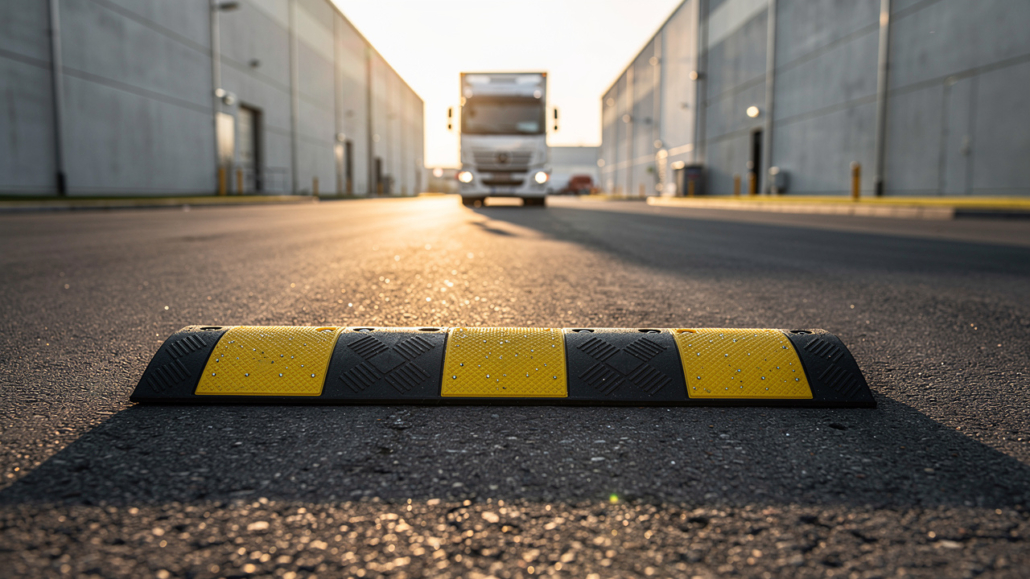
Rubber Speed Bumps vs Asphalt: A Safer, Smarter Choice
The sound of a car or forklift slamming into a hard speed bump never feels good. There is that sharp jolt, a small panic about hidden damage, and a quiet worry about what else could go wrong on site. In busy plants, warehouses, and car parks, those bumps are not just small annoyances; they are part of the safety system that guards both people and equipment.
For a long time, asphalt speed bumps were the default inside industrial yards and commercial properties. They are poured with the road, they feel solid, and at first they seem fine. Over time, the limits start to show. Asphalt is rigid and unforgiving, it cracks under heavy loads, lets water in, fades under the sun, and needs fresh paint just to stay visible. That mix leads to more vehicle wear, more tripping hazards, and more maintenance work than many teams expect.
Modern rubber speed bumps take a different path. Vulcanized rubber flexes slightly under load, spreads out the impact, and then returns to its shape instead of breaking apart. That same material science is behind the rectangular rubber bumpers, wheel guards, and donut-type bumpers we make at RK Rubber Enterprise Co. across the Philippines. In this article, we walk through why rubber outperforms asphalt for speed bumps in impact protection, durability, maintenance cost, installation, and safety, so you can decide what fits your facility best.
Key Takeaways
Here is a quick view of what sets rubber speed bumps ahead of asphalt in real sites:
- Impact absorption: Rubber speed bumps absorb energy instead of pushing it into vehicles. That protects suspensions and tires and lowers repair risk.
- Weather resistance: Rubber keeps its shape in heat, rain, and standing water. Asphalt can crack or soften. Rubber speed bumps stay safe and predictable longer.
- Lasting visibility: Molded yellow stripes and glass reflectors stay bright for years. No regular repainting is needed, so visibility remains high day and night.
- Simple, flexible installation: Modular rubber speed bumps install with basic bolts. In-house teams can handle the work, and layouts can change when traffic patterns change.
Superior Impact Resistance And Vehicle Protection
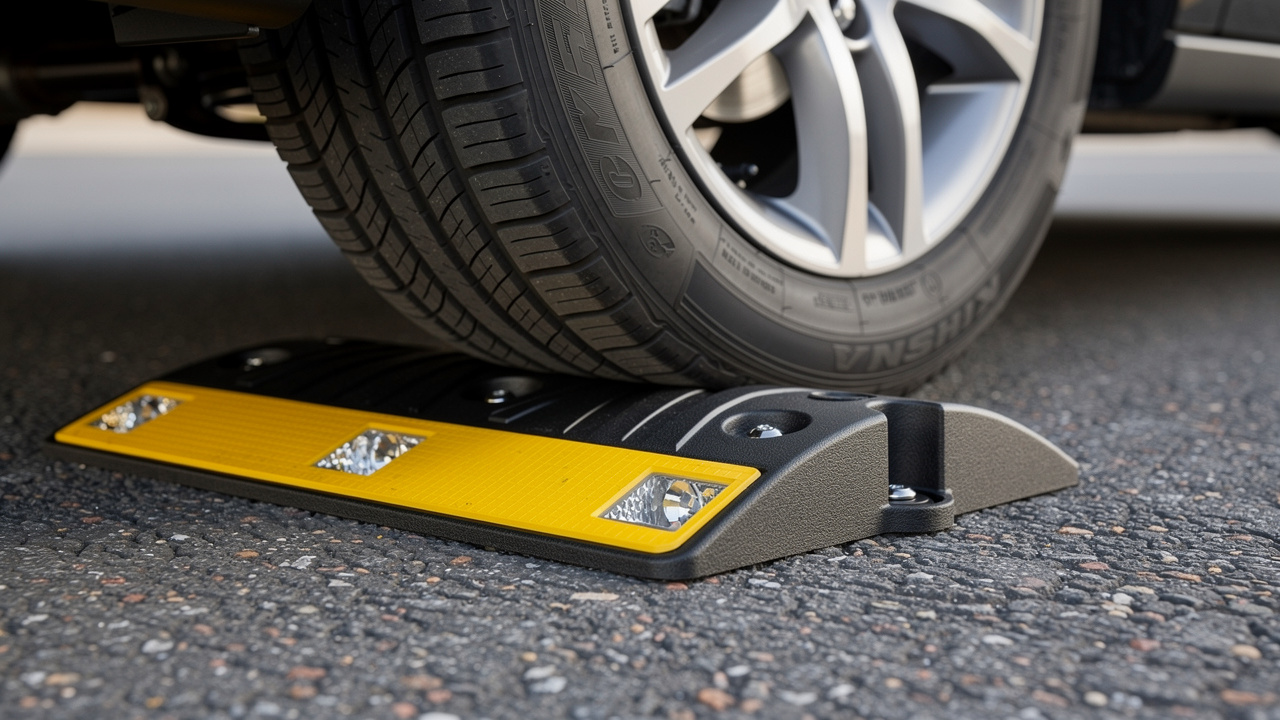
When a vehicle rolls over an asphalt speed bump, the hard surface gives almost no movement, and research such as A Matched Case–Control Study has documented the impact forces transmitted to vehicles and their occupants. The full force of the bump travels straight into the suspension, tires, and even the load inside the vehicle. At low speeds this is already harsh, and when a driver misjudges speed, the jolt can be severe. Over months and years, that repeated shock adds up in worn parts, loose fittings, and damaged cargo.
Rubber speed bumps behave differently because of the elastic nature of vulcanized rubber. During vulcanization, the rubber compound gets cross-linked under heat and pressure, which lets it flex and then return to its original form without cracking. When a wheel hits a rubber speed bump, part of the energy is absorbed and spread across the body of the bump. The contact is still firm enough to slow drivers, but the edge is softer, so the impact on the vehicle is lower.
We see the same effect every day in our other impact protection products at RK Rubber Enterprise Co. Our rectangular rubber bumpers shield loading dock walls and truck bodies during docking. Our rubber wheel guards stop cars from hitting walls or columns and help prevent tire blowouts at the edge of parking slots. Donut-type rubber bumpers work as strong impact absorbers and even vibration dampers. The same thinking goes into rubber speed bumps, which are built to prevent massive damage and costly collisions instead of adding to them.
There is also protection for the bump itself, and federal research on Effects of Traffic Calming measures confirms that properly designed traffic calming devices reduce both vehicle damage and maintenance requirements. Asphalt corners chip away as trucks and forklifts hit them off-center, and pieces can break loose and create debris on the road. Vulcanized rubber bends slightly then recovers, so the speed bump keeps its shape even after thousands of passes each day.
To sum up the protection benefits of rubber speed bumps:
- Less shock to suspensions, tires, and cargo
- Fewer loose parts and repairs over time
- Reduced debris from broken bump edges
- More consistent impact resistance across the product’s life
Exceptional Durability And Weather Resistance
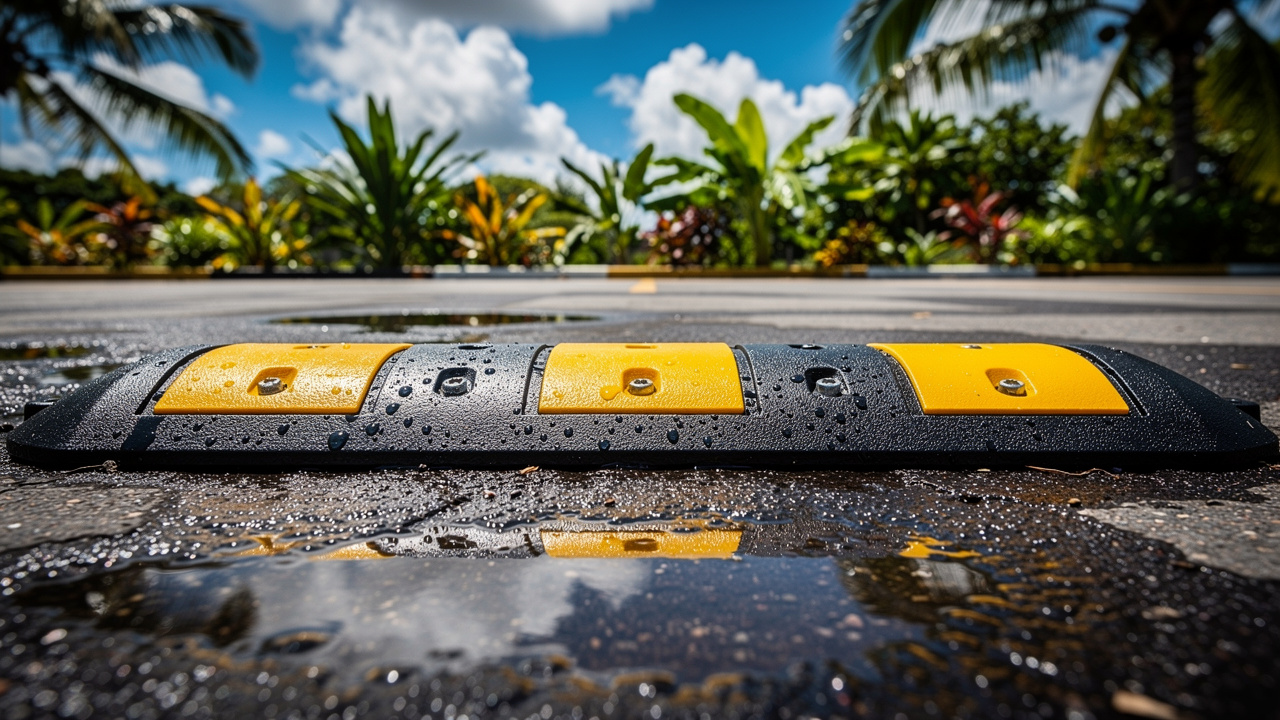
Durability starts with the material structure. Vulcanized rubber has cross-linked polymer chains that give it high tensile strength and strong elasticity at the same time. It can stretch slightly under load and then return to its shape without permanent damage. Asphalt does not have this property. Once it cracks, the damage keeps spreading as water and dirt enter the gap.
For sites in the Philippines, weather is a serious test. Common stress factors include:
- High UV exposure that dries out standard materials
- Very hot afternoons that soften asphalt layers
- Sudden heavy rain and standing water in low spots
- Oil, fuel, and chemical spills from vehicles that attack the surface
Asphalt can dry out and become brittle on the surface while the lower layer softens in heat. Rainwater seeps in, and over time the bump crumbles or sinks. Oil and chemicals speed up wear even further.
Rubber speed bumps from RK Rubber Enterprise Co. use high-grade compounds such as EPDM, natural rubber, and synthetic blends that resist these stress factors. EPDM, for example, is known for good resistance against tear and wear, and it stays stable under sun, ozone, and moisture. The result is a traffic calming product that does not crack under temperature swings, does not absorb water, and does not react badly to the usual oils and chemicals around industrial yards.
Unlike metal parts, rubber speed bumps do not rust, and unlike concrete or asphalt, they do not break apart into sharp pieces. Shape, height, and profile stay consistent for many years, which means the slowing effect stays consistent as well. For plant managers planning long term, this steady performance makes rubber speed bumps a practical base for site traffic control.
Reduced Maintenance Costs And Long-Term Value
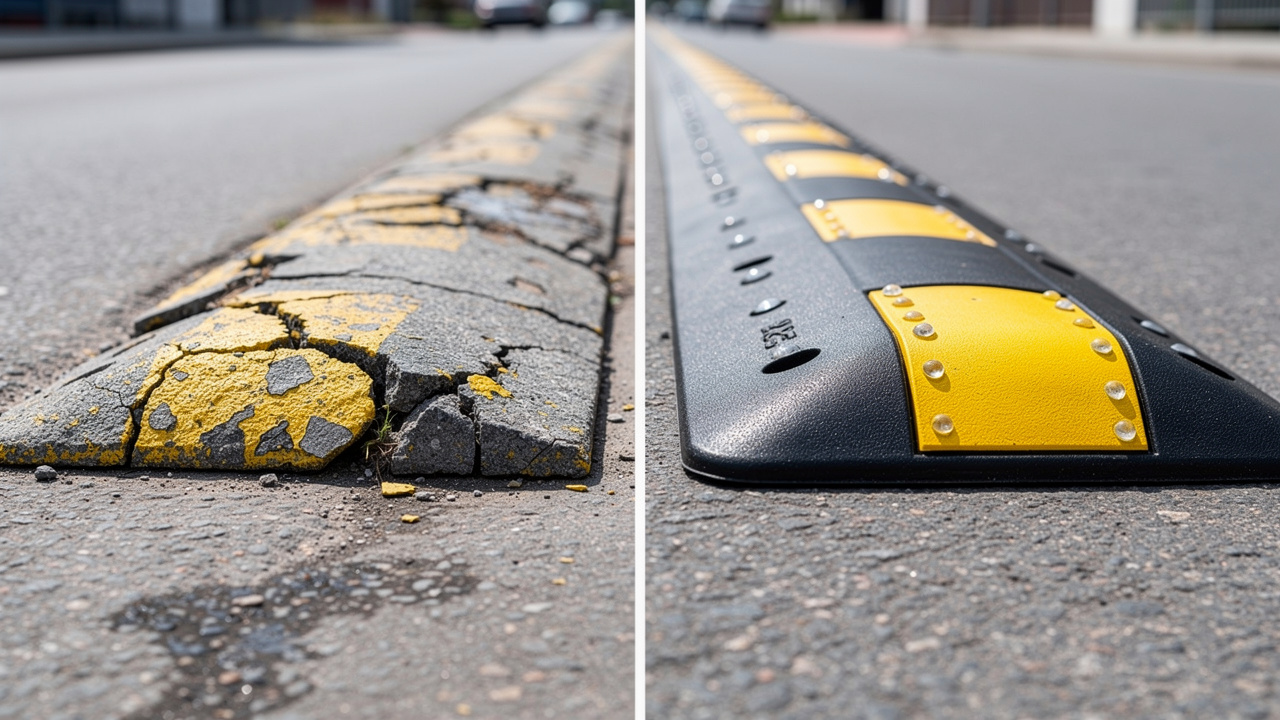
Every asphalt speed bump comes with a hidden service plan. It needs:
- Regular checks for cracks along the edges and surface
- Early patching before pieces break off and create hazards
- Frequent repainting of the yellow or white stripes that drivers rely on
- Possible grinding and full replacement when the bump deforms or sinks
These tasks take time from the maintenance team, interrupt traffic, and pull budget away from other needs.
Rubber speed bumps have a much lighter upkeep profile. At RK Rubber Enterprise Co., we mold high-visibility yellow EPDM stripes directly into the black rubber body. They are not just painted on the surface, so they do not peel or fade quickly. Many models also include embedded glass reflectors, which pick up headlights and signal the bump clearly at night without extra lights or extra paint. Cleaning is usually as simple as normal sweeping or washing of the lane.
When we compare the full life cycle, a rubber speed bump may cost more than an asphalt bump on day one, but the numbers change fast over the years. There is no repainting every few months, no crack sealing, and far fewer emergency repairs when a piece breaks loose. The bump keeps doing its job, and budgets become easier to plan because there are fewer surprise fixes. For many facilities, that long-lasting performance and extended life span turn rubber into the lower-cost choice over the full period of use.
A simple comparison looks like this:
| Aspect | Rubber Speed Bumps | Asphalt Speed Bumps |
|---|---|---|
| Initial Installation Cost | Moderate | Often lower |
| Paint And Markings | Molded stripes, rarely need attention | Regular repainting required |
| Structural Repairs | Rare, usually limited to hardware checks | Patching, crack sealing, or full replacement |
| Typical Service Disruption | Short, for bolt checks or cleaning | Longer closures for repair and curing |
| Total Cost Over Years | Tends to be lower due to reduced maintenance work | Tends to be higher because of repeated repairs and paint |
Easier Installation And Operational Flexibility
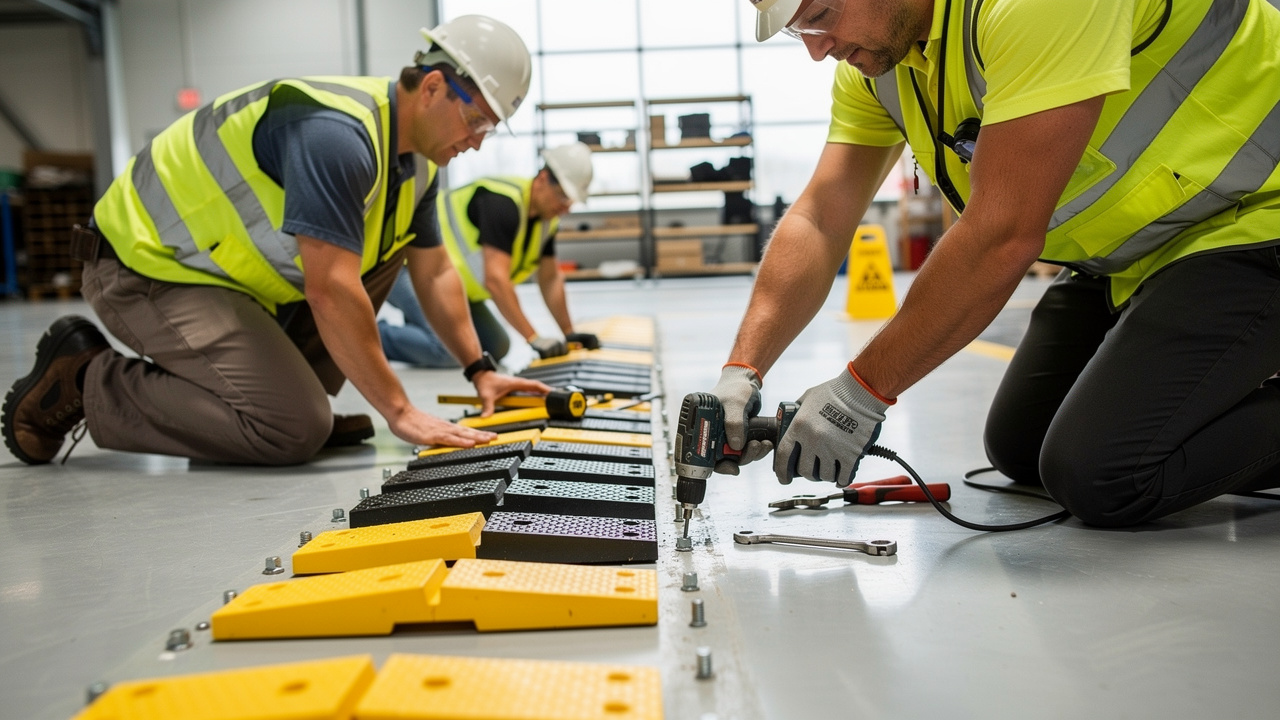
Installing asphalt speed bumps is a project by itself. It calls for cutting or shaping the road surface, bringing in hot mix, using heavy compaction tools, and then waiting for proper curing time. During this work, lanes often need to be closed, and once the asphalt is in place, the location is more or less fixed. If traffic patterns change, removing or shifting an asphalt bump can be expensive.
Rubber speed bumps follow a much simpler method. They come in modular sections with middle parts and end caps, so the length can match different lane widths and site layouts. Our products at RK Rubber Enterprise Co. are fixed to existing concrete or asphalt with anchor bolts and basic hand tools. In many cases, an in-house maintenance team can complete the work in a short window without bringing in outside road contractors.
A typical installation on an existing surface involves:
- Marking the location and checking clearances.
- Laying out the rubber speed bump sections and end caps.
- Drilling holes into the road surface through the pre-formed holes.
- Installing expansion anchors or mechanical bolts.
- Tightening hardware and checking alignment before reopening the lane.
That modular design also gives sites more freedom over time. If a new gate opens, if truck routes change, or if a construction phase needs temporary clear space, rubber speed bumps can be removed, reconfigured, or relocated. With our customization options and quick turnaround times, we can match dimensions, profiles, and layouts to the needs of your plant or property without long delays.
Improved Safety Features For Comprehensive Protection
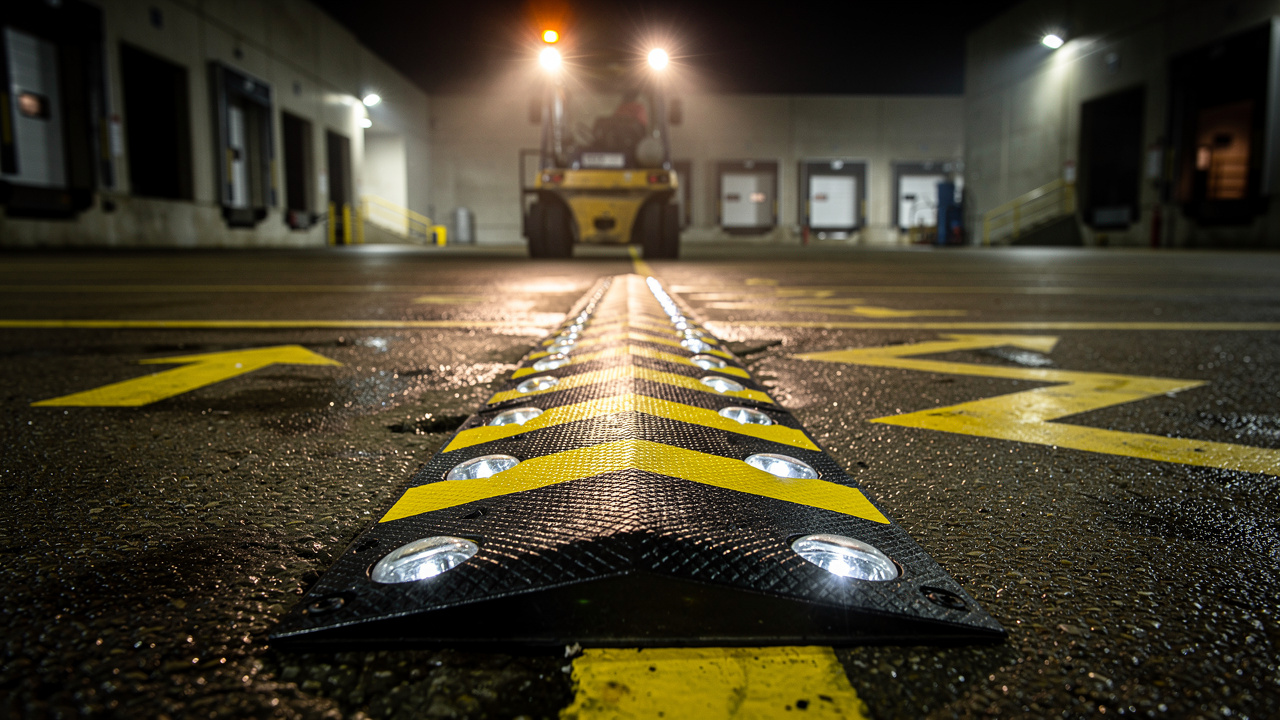
Good speed bumps must slow vehicles and still keep drivers and pedestrians safe around them, and studies like the Temporary Speed Hump Impact evaluation have measured how different speed control devices affect vehicle behavior and safety outcomes. Rubber speed bumps are built with this in mind from top to bottom. The black base with molded yellow stripes gives strong contrast in daylight, while glass reflectors return headlight beams at night so drivers can see the bump early and reduce speed in time.
The surface of quality rubber speed bumps also offers better grip compared to smooth asphalt or painted concrete. This non-slip texture helps tires maintain contact, which is important when roads are wet and when forklifts carry tall or fragile loads. Tapered end caps give a smoother ramp on and off the bump, which makes life safer for cyclists, motorcyclists, and pedestrians stepping nearby. At RK Rubber Enterprise Co., we design our traffic calming products to support company safety programs, reduce tripping risks, and lower the chance of sudden, harsh impacts that lead to incidents.
As a common safety saying puts it, “Safety doesn’t happen by accident.”
Well-placed rubber speed bumps are one of those quiet controls that prevent incidents before they start.
By combining high visibility, reliable grip, and predictable slowing, rubber speed bumps help drivers form safer habits in busy internal roads, loading areas, and car parks.
Conclusion
Rubber speed bumps give plants, warehouses, and commercial sites a clear edge over old-style asphalt bumps. They absorb impact instead of sending it straight into vehicles, stand up better to heat and heavy rain, need far less maintenance, and can be installed or moved with much less disruption. Added features such as molded stripes, reflectors, and tapered ends support safer driving and walking around busy areas.
Asphalt has played its part, but material technology has moved on. With the right rubber speed bumps in place, traffic calming becomes a solid safety investment and a smart financial choice. At RK Rubber Enterprise Co., we combine quality rubber products with practical technical support, so teams avoid common mistakes and pick the right design for each site. If you are planning to upgrade speed control in your plant, car park, or project, we are ready to discuss options, share our experience, and help you choose a setup that protects people, vehicles, and your budget for years.
FAQs
Question 1: Are Rubber Speed Bumps Strong Enough For Heavy Industrial Vehicle Traffic?
Yes, high-quality rubber speed bumps handle heavy trucks, trailers, and forklifts. Vulcanized rubber spreads the load and avoids brittle cracking seen in asphalt bumps. Our products already serve busy industrial yards across the Philippines with steady day-to-day use.
Question 2: How Long Do Rubber Speed Bumps Typically Last Compared To Asphalt?
With normal use, well-made rubber speed bumps can serve seven to ten years or more with very little work. Asphalt bumps often need major repair or full replacement within three to five years. Our weather-resistant and corrosion-resistant compounds help rubber keep both form and function over that longer period.
Question 3: Can Rubber Speed Bumps Be Installed On Existing Asphalt Or Concrete Surfaces?
Yes, rubber speed bumps work very well on both asphalt and concrete roads. Installation usually uses expansion anchors drilled into the existing surface. Surface preparation is simple compared to forming new asphalt bumps, and our team can guide your staff through each step.
Question 4: Do Rubber Speed Bumps Work Effectively In The Hot, Humid Philippine Climate?
They are very well suited to local conditions. Rubber compounds used by RK Rubber Enterprise Co., including EPDM and selected synthetic blends, resist UV rays, heat, and moisture. Unlike asphalt that can soften in high heat and break down in humidity, our rubber speed bumps keep their shape and slowing power through sun, rain, and standing water.
Question 5: What Makes RK Rubber Enterprise Co.’s Speed Bump Options Different From Standard Choices?
We focus on strong materials, practical designs, and real support instead of one-size-fits-all products. Our range covers rubber speed bumps, wheel guards, and rectangular bumpers, so sites can protect lanes, walls, and loading areas as a complete system. With customization, fast lead times, and local technical help, we act as a long-term partner for plant safety rather than just a supplier.